Norse Zodiac Signs: An Introduction to Viking Astrology
We may earn money or products from the companies mentioned in this post.
Norse zodiac signs, a fascinating aspect of Viking culture, offer a unique perspective on astrology that differs significantly from the widely known Western zodiac. While Western astrology bases its signs on celestial constellations, Norse astrology is deeply rooted in mythology and employs runes—ancient symbols with profound meanings tied to various aspects of life and nature.
This lesser-known system of astrology played a crucial role in Viking society, influencing decisions related to agriculture, travel, and warfare. By exploring Norse zodiac signs, we gain insight not only into an alternative astrological system but also into the rich cultural tapestry of the Viking world.

Origins and Foundations
Norse Mythology as the Basis
The foundation of Norse astrology lies in the rich mythology of the Viking people. Their pantheon of gods, goddesses, and mythical creatures formed the backdrop against which they interpreted the world around them. Unlike the constellations of Western astrology, Norse zodiac signs draw their power and meaning from these mythological figures and their stories.
Enhance Your Spiritual Practice
Discover our collection of digital planners and mystical tools designed to deepen your journey with tarot, crystals, and astrology.
Visit Our ShopRole of Runes in Viking Astrology
Central to Norse astrology are the runes—a set of symbols that served multiple purposes in Viking society. These symbols were not just an alphabet but also a tool for divination and a means of connecting with the cosmic forces that the Vikings believed governed their world.
Each rune carries its own meaning and energy, often associated with a particular god, natural force, or aspect of life. In the context of astrology, these runes were used to gain insight into an individual’s character, potential future, and the cosmic influences at play in their life.
Interconnection Between Cosmos and Daily Life
The Vikings perceived a strong connection between the cosmos and their everyday existence. They believed that the patterns and energies of the universe directly influenced events on Earth and in their personal lives. This worldview made astrology not just a passive tool for prediction but an active guide for decision-making and understanding one’s place in the world.
Viking Astrology Overview
Integration of Mythology and Astrology
Viking astrology seamlessly blends mythological narratives with astrological practice. Each rune and associated deity in the Norse zodiac carries a set of characteristics, strengths, and challenges that are believed to influence those born under their sign. This integration creates a rich, story-driven approach to understanding personal traits and life paths.
Use of Runes for Divination and Communication
Runes served a dual purpose in Viking society. As tools for divination, they were cast or drawn to gain insight into future events or to seek guidance in decision-making. Simultaneously, they functioned as a form of written communication, with each symbol representing not just a sound but a concept or energy.
In astrological practice, the interpretation of runes goes beyond simple fortune-telling. It involves a deep understanding of the symbolic meanings and the ability to apply these ancient wisdom teachings to contemporary life situations.
Influence on Viking Decision-Making
The Vikings relied heavily on their astrological beliefs when making important decisions. Before embarking on sea voyages, they might consult the runes to determine the most auspicious time for departure. Farmers would look to Norse astrology for guidance on planting and harvesting, while warriors might seek insight into the outcome of battles.
This practical application of astrology demonstrates how deeply ingrained these beliefs were in Viking culture, influencing everything from daily chores to life-changing endeavors.
Key Runes in Norse Astrology
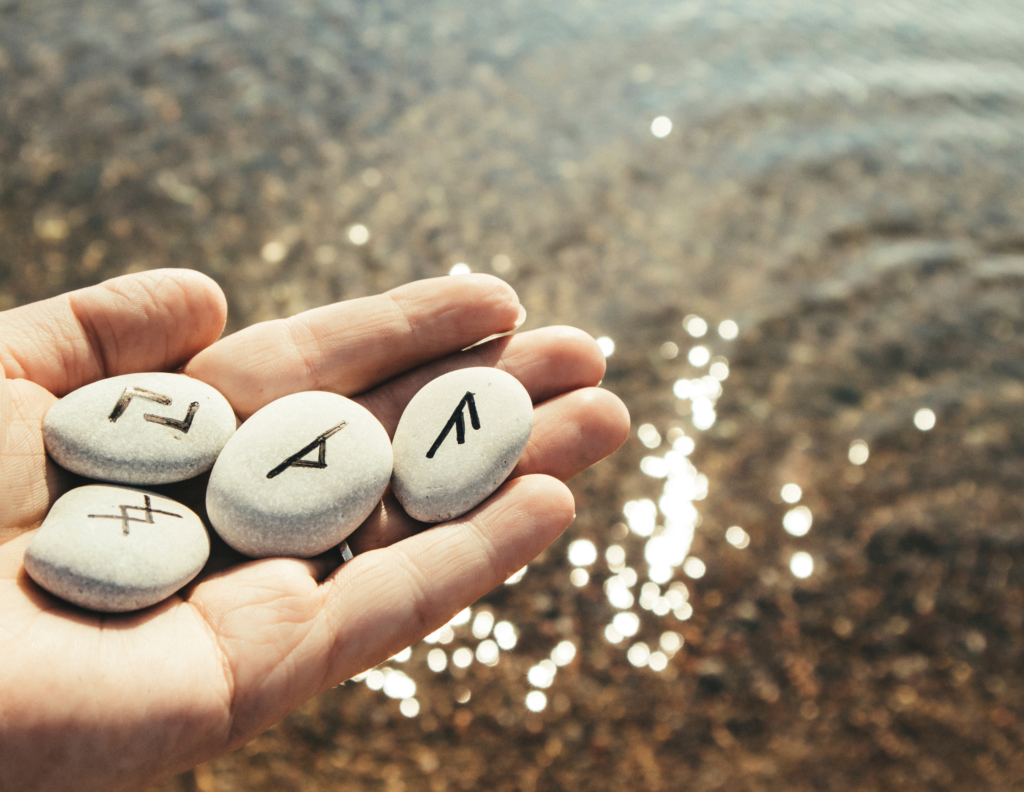
Norse astrology relies heavily on the interpretation of runes. While there are 24 runes in the Elder Futhark (the oldest form of the runic alphabets), several play particularly significant roles in astrological practice. Let’s explore some of these key runes:
Fehu (Wealth)
Symbolized by the sound “F”, Fehu represents wealth, success, and prosperity. It’s associated with cattle, which were a measure of wealth in Viking society. In astrological readings, Fehu suggests that success and rewards are coming, especially as a result of hard work and perseverance.
Uruz (Strength)
Represented by the sound “U”, Uruz symbolizes strength, both physical and mental. It’s associated with the aurochs, a now-extinct wild ox. In Norse astrology, Uruz indicates good health, vigor, and the inner strength to overcome obstacles.
Thurisaz (Protection)
Thurisaz, represented by the “TH” sound, is associated with Thor, the god of thunder. This rune offers protection but also advises caution. In astrological contexts, it can indicate the need for defensive action or the presence of a protective force in one’s life.
Ansuz (Communication)
Symbolized by the “A” sound, Ansuz represents communication, wisdom, and divine inspiration. It’s often associated with Odin, the chief god of the Norse pantheon. In astrology, Ansuz highlights the importance of clear communication and learning from others.
Gebo (Partnership)
Represented by the “G” sound, Gebo symbolizes gifts, generosity, and partnerships. This rune reflects the balance of giving and receiving in relationships. In astrological readings, it often indicates significant partnerships or the need for balance in one’s interactions.
Wunjo (Joy)
Wunjo, represented by the “W” sound, symbolizes joy, light, and happiness. In Norse astrology, this rune suggests a period of happiness and satisfaction in life, often after a period of hardship or challenge.
Norse Zodiac Signs Based on Mythology
While the runic system forms the core of Norse astrology, some modern interpretations have aligned Norse deities with traditional zodiac signs, creating a unique Norse zodiac. Here’s how some of these alignments are typically made:
Odin (Associated with Aries and Pisces)
The chief god Odin, known for his wisdom, magic, and war strategy, is often linked to Aries and Pisces. This association reflects Odin’s complex nature – the warrior spirit of Aries and the mystical, poetic aspects of Pisces.
Thor (Linked to Aquarius and Libra)
Thor, the god of thunder and protection, is associated with Aquarius and Libra. This connection emphasizes Thor’s role as a protector of humanity (Aquarius) and his pursuit of justice and balance (Libra).
Baldur (Corresponds to Leo and Taurus)
Baldur, known for his beauty and radiance, is linked to Leo and Taurus. The Leo association reflects his sunny, charismatic nature, while Taurus represents his connection to the earth and physical beauty.
Freyja (Associated with Cancer and Virgo)
Freyja, goddess of love, beauty, and fertility, is connected to Cancer and Virgo. Her nurturing, emotional nature aligns with Cancer, while her association with harvest and practical skills resonates with Virgo.
Hel (Linked to Sagittarius and Scorpio)
Hel, ruler of the underworld, is associated with Sagittarius and Scorpio. This pairing reflects the transformative journey of death (Scorpio) and the philosophical quest for meaning (Sagittarius) that Hel’s realm represents.
Loki (Corresponds to Gemini and Capricorn)
Loki, the trickster god, is linked to Gemini and Capricorn. His dual nature and quick wit align with Gemini, while his ambitious and sometimes destructive tendencies resonate with Capricorn.
Interpreting Norse Zodiac Signs
Understanding Personal Traits Through Runes
In Norse astrology, an individual’s personality and life path are often interpreted through a combination of runes rather than a single zodiac sign. This might involve drawing runes for different aspects of life or considering the runes associated with one’s birth date.
Seasonal Influences on Norse Astrology
The changing seasons played a crucial role in Viking life and are reflected in their astrological beliefs. Each season is associated with different runes and deities, influencing the interpretation of astrological readings depending on the time of year.

Comparing Norse and Western Astrological Interpretations
While there are attempts to align Norse deities with Western zodiac signs, it’s important to note that these systems are fundamentally different. Norse astrology focuses more on the interconnectedness of all things and the influence of mythological forces, rather than the positions of celestial bodies.
Modern Applications of Norse Astrology
Current Interest in Viking Culture and Beliefs
There’s been a resurgence of interest in Viking culture in recent years, including their spiritual and astrological beliefs. This has led to more people exploring Norse astrology as an alternative or complement to Western astrology.
Integration with Other Astrological Systems
Some modern practitioners blend elements of Norse astrology with other systems, creating unique hybrid approaches. This might involve using runes alongside tarot cards or incorporating Norse mythological elements into Western astrological interpretations.
Use in Personal Growth and Self-Reflection
Many find Norse astrology to be a valuable tool for personal growth and self-reflection. The rich symbolism of the runes and the deep connection to nature and mythology can provide unique insights into one’s character and life challenges.
Conclusion
Norse zodiac signs offer a fascinating alternative to traditional Western astrology. Rooted in the rich mythology and runic tradition of the Viking people, this system provides a unique lens through which to view personal characteristics, life events, and spiritual journeys.
While less widely known than its Western counterpart, Norse astrology continues to influence modern spiritual practices and offers valuable insights for those seeking to connect with ancient wisdom. Its emphasis on the interconnectedness of all things and the cyclical nature of life resonates with many in our modern world.
Whether used as a standalone practice or integrated with other astrological systems, Norse astrology invites us to explore the depth of Viking culture and to find new ways of understanding ourselves and our place in the cosmos.