Pluto in Astrology: Transformation, Power & Rebirth
We may earn money or products from the companies mentioned in this post.
There’s no planet in astrology that stirs things up quite like Pluto. It doesn’t work quietly in the background—it tears things down, exposes what’s been buried, and then forces something new to rise from the rubble. If you’ve ever been through a period of life that felt like a complete demolition job, only to come out the other side feeling more authentically yourself, there’s a good chance Pluto had something to do with it.
Despite being reclassified as a dwarf planet by astronomers in 2006, Pluto holds an enormous place in astrology. Astrologers continue to work with its influence as a full planetary force, and for good reason—its effects are anything but small. This post explores what Pluto represents, how it shapes your birth chart, what happens when it goes retrograde, and how to work with its energy rather than against it.

Pluto in Astronomy
Pluto sits in the far outer reaches of the solar system, beyond Neptune, in a region called the Kuiper Belt. Discovered in 1930 by astronomer Clyde Tombaugh, it was considered the ninth planet for over seven decades before the International Astronomical Union reclassified it as a dwarf planet—largely because it shares its orbital neighbourhood with other Kuiper Belt objects rather than clearing its path the way full planets do.
Enhance Your Spiritual Practice
Discover our collection of digital planners and mystical tools designed to deepen your journey with tarot, crystals, and astrology.
Visit Our ShopPhysically, Pluto is tiny—roughly two-thirds the diameter of Earth’s Moon. But its astronomical qualities have always felt strangely fitting for its astrological meaning.
- Diameter: Approximately 2,377 kilometres
- Orbital period: Around 248 years to complete one orbit of the Sun
- Rotational period: About 6.4 Earth days
- Atmosphere: Thin, composed mainly of nitrogen, methane, and carbon monoxide
- Surface: Rocky, covered in frozen nitrogen and methane ices, with dramatic mountain ranges and plains
Because it takes 248 years to orbit the Sun, Pluto spends between 12 and 31 years in each zodiac sign. This long, slow movement means it operates on a generational scale—entire generations share the same Pluto sign, shaping collective themes of transformation across culture and society.
Pluto in Mythology
Pluto takes its name from the Roman god of the underworld, equivalent to the Greek Hades. In Roman mythology, Pluto ruled the kingdom of the dead—a realm that was not merely a place of death, but also of immense hidden wealth. The word “Pluto” itself derives from the Greek Ploutos, meaning wealth or riches, which connected to the idea that all mineral wealth came from beneath the earth.
In Greek tradition, Hades was not portrayed as evil, but as stern and inevitable. He ruled over the souls of the dead with unyielding authority, and very few who entered his kingdom ever returned. The most famous myth involving Hades is the abduction of Persephone, goddess of spring, who was taken to the underworld and eventually became its queen. Her story is one of the most powerful mythological accounts of descent, transformation, and eventual return—perfectly capturing Pluto’s astrological essence.
The Romans associated Pluto with depth, hidden things, cycles of death and renewal, and the wealth that lies beneath the surface of ordinary life. In Vedic tradition, a parallel figure is Yama, the god of death and dharma, who governs the judgment of souls and the cosmic order of endings. Norse mythology has Hel, ruler of the realm of the dead, similarly governing what lies beneath and beyond ordinary life.
These mythic threads all point to the same core: Pluto governs what is hidden, what has power over us, and what must ultimately be faced and transformed.
What Pluto Represents in Astrology
Pluto is often called the planet of transformation, death, and rebirth—but those words only scratch the surface. At its core, Pluto represents the principle of stripping away what is false so that something more authentic can exist in its place. It doesn’t destroy for the sake of destruction. It destroys what has become stagnant, disempowering, or built on a false foundation.
Pluto’s primary themes include:
- Transformation and metamorphosis — not gradual change, but wholesale breakdown and rebuilding
- Power and control — both personal empowerment and the shadow side of domination and manipulation
- Death and rebirth — the symbolic endings that make new beginnings possible
- The unconscious and shadow — buried fears, repressed emotions, trauma, and the parts of ourselves we prefer not to look at
- Secrets and taboo — what’s hidden beneath the surface, both personally and collectively
- Regeneration and healing — the deep, sometimes painful process of psychic renewal
In modern astrology, Pluto is the ruling planet of Scorpio. This association makes intuitive sense: Scorpio is the sign of intensity, depth, intimacy, sexuality, and the confrontation with mortality. Just as Saturn in Astrology governs structure and consequence, Pluto governs the radical undoing of those structures when they no longer serve growth.
Pluto is also described as a higher octave of Mars—while Mars rules individual drive, aggression, and desire, Pluto operates on a collective and soul level, driving transformation that goes far deeper than personal ambition.
Pluto Through the Signs
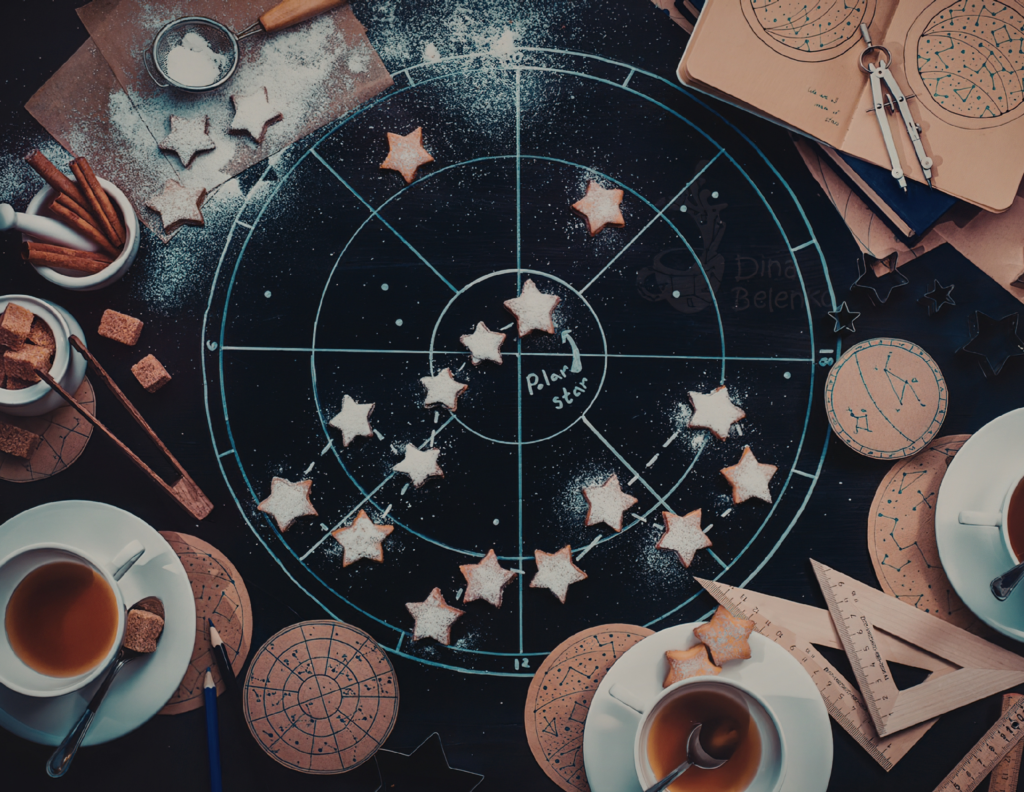
Because Pluto spends so many years in each sign, its placement in a birth chart is generational. Everyone born within a roughly 12–31 year window shares the same Pluto sign, meaning its influence speaks to the collective themes and challenges of an entire generation rather than purely individual traits.
What makes Pluto personal in a chart is not primarily its sign, but which house it occupies and which other planets it forms aspects with. That said, here is a brief overview of how Pluto’s energy has expressed across recent sign placements:
Pluto in Leo (1939–1957): A generation shaped by themes of power, ego, leadership, and the desire to leave a lasting individual mark on the world. This was the post-war generation that rebuilt societies and defined modern culture.
Pluto in Virgo (1957–1972): Transformation of systems, health, and daily life. This generation tackled questions of work, service, and environmental responsibility—themes of purification and reform.
Pluto in Libra (1972–1984): A generation reshaping relationships, justice, and social contracts. Marriage, partnership, and the very definition of fairness were collectively overhauled.
Pluto in Scorpio (1983–1995): Pluto was in its own sign here, intensifying its themes considerably. This generation grew up alongside the AIDS crisis, the rise of psychological awareness, and the internet age—all deeply Plutonian in nature.
Pluto in Sagittarius (1995–2008): Transformation of beliefs, religion, philosophy, and global expansion. The collapse of old ideological certainties and the globalisation of information defined this era.
Pluto in Capricorn (2008–2024): The breakdown and rebuilding of power structures, institutions, governments, and economies. The 2008 financial crash, the rise of political populism, and the questioning of corporate authority all fall under this influence.
Pluto in Aquarius (2024–2044): Pluto has now moved into Aquarius, signalling a generational transformation of technology, collective identity, and social systems. Themes of AI, community power, and the redefinition of what it means to be human are central.
Pluto in the Elements
How Pluto’s energy expresses itself depends greatly on the elemental quality of the sign it occupies—or the sign of any planet it aspects in your chart.
Fire Signs (Aries, Leo, Sagittarius): Pluto in fire signs or aspecting fire planets brings transformation through identity, willpower, and belief. The fire is intensified to the point of crisis, then reborn. There is often a driving need to claim authentic power and shed roles that no longer fit.
Earth Signs (Taurus, Virgo, Capricorn): Transformation here is practical and structural—the dismantling of material security, physical health, or the systems of everyday life. It can feel devastating in the moment but ultimately rebuilds on far more solid ground.
Air Signs (Gemini, Libra, Aquarius): Pluto in air signs brings the transformation of ideas, communication, and social structures. Old mental frameworks and relationship patterns are torn down. Truth becomes non-negotiable, even when uncomfortable.
Water Signs (Cancer, Scorpio, Pisces): Pluto is particularly potent in water signs, where it operates through emotion, intuition, and the deep unconscious. Transformation here goes to the root of emotional patterns, family inheritance, and spiritual beliefs—sometimes surfacing material that has been buried for years or even generations.
Pluto in the Birth Chart: By House
While Pluto’s sign tells you about your generation’s collective themes, its house placement in your natal chart reveals the specific life area where you are called to transform, confront your shadow, and ultimately reclaim your power.
| House | Life Area | Pluto’s Influence |
|---|---|---|
| 1st House | Identity & Self | Profound reinventions of self—these individuals can appear like a different person across different chapters of their life. |
| 2nd House | Values & Security | Transformation through material security and self-worth. Dramatic financial shifts force a deeper confrontation with what truly has value. |
| 3rd House | Communication & Mind | Deep transformation of thinking patterns and close community. The way these individuals process and express truth tends to be unusually penetrating. |
| 4th House | Home & Family | Powerful family dynamics and a calling to heal inherited ancestral wounds. The home is the seat of transformation. |
| 5th House | Creativity & Romance | Intense passion and depth in creative and romantic pursuits. Self-expression becomes a vehicle for transformation. |
| 6th House | Health & Daily Life | Health challenges or work crises that become catalysts for profound lifestyle and psychological change. |
| 7th House | Relationships & Partnerships | An attraction to intense, transformative partnerships. Power dynamics in close relationships come sharply into focus. |
| 8th House | Shared Resources & Taboo | Pluto’s natural house—themes of intimacy, sexuality, legacy, and the occult are deeply and powerfully active. |
| 9th House | Beliefs & Philosophy | Old religious or ideological frameworks that no longer hold truth tend to collapse dramatically. Belief systems are rebuilt from the ground up. |
| 10th House | Career & Public Life | Dramatic rises and falls in public life and authority. These individuals ultimately rebuild their career on far more authentic terms. |
| 11th House | Community & Friendships | Sudden, total shifts in friend groups and collective affiliations throughout life. Visions for the future are radically transformed. |
| 12th House | The Unconscious & Solitude | Transformation works quietly but powerfully through the unconscious and deep spiritual work. A profound calling towards inner healing and service to others. |
Pluto Aspects in the Birth Chart
When Pluto forms aspects with other planets in a natal chart, it intensifies and deepens their expression—sometimes uncomfortably so. The key is whether the aspect is harmonious (trine, sextile) or challenging (square, opposition, conjunction).
Sun-Pluto: A powerful identity and will—but also a tendency to struggle with control and the fear of powerlessness. These individuals are built for profound self-reinvention.
Moon-Pluto: Emotional intensity at a deep level. Early family dynamics may have involved power struggles or emotional upheaval that shaped a penetrating emotional intelligence.
Mercury-Pluto: The mind goes to the root of things. Communication is probing and magnetic, but there can be an obsessive or manipulative edge when out of balance. This mirrors the investigative quality found in Mercury’s Influence in Astrology.
Venus-Pluto: Love is never casual for these individuals—it tends towards the all-consuming and transformative. There is a magnetism in relationships, but also a shadow of jealousy or possessiveness. Compare this to the more harmonious relational quality of Venus and Its Effect on Astrology.
Mars-Pluto: The drive and will are formidable—and potentially domineering. This aspect gives enormous resilience and capacity for sustained action, but anger must be handled consciously.
Jupiter-Pluto: Powerful drive towards growth, success, and influence. This can produce extraordinary achievement or an obsession with power and excess. The expansive optimism of Jupiter in Astrology is given enormous force and depth here.
Saturn-Pluto: Some of the most significant, slow-burning transformation in astrology. Where Saturn builds structures, Pluto destroys them—and together they call for the complete overhaul of foundations.
Uranus-Pluto: Radical, revolutionary energy. Generational aspects between these two planets have historically coincided with cultural upheavals and the tearing down of old social orders.
Neptune-Pluto: Another generational aspect, related to the dissolution of collective illusions and the deep spiritual transformation of entire eras.

Pluto Retrograde
Pluto is retrograde for approximately five months of every year, making it one of the more commonly retrograde planets. Unlike the better-known disruptions of Mercury retrograde, Pluto’s retrograde period is rarely felt through practical chaos. Instead, it is an internal, reflective period—one of the deepest retrograde energies you’ll encounter.
When Pluto stations retrograde, the already intense process of transformation turns even more inward. It’s a period for:
- Revisiting power dynamics — especially those in relationships, professional life, or personal psychology
- Confronting shadow material — emotions, fears, or patterns that have been avoided rather than processed
- Releasing control — Pluto retrograde often calls us to surrender what we’ve been gripping too tightly
- Deep psychological work — this is a genuinely productive time for therapy, shadow journaling, or any practice that involves honest self-examination
If you have Pluto retrograde in your natal chart (which is common, given how long it retrogrades each year), you may find that transformation works more powerfully through your inner world than through external events. The integration of Plutonian experiences tends to happen privately, over a longer time frame, and through deliberate inner work rather than outward crisis.
Pluto Transits: When Pluto Comes Knocking
Pluto transits are among the most significant and life-altering experiences in astrology. Because Pluto moves so slowly, when it makes an exact aspect to a planet in your natal chart—particularly a conjunction, square, or opposition—the influence can last for several years.
Pluto transits don’t tend to be gentle. They often coincide with the end of a major life chapter: the conclusion of a relationship, the loss of a career identity, a significant health challenge, or a deep confrontation with something that has been buried for years. They can also bring periods of extraordinary personal power and the kind of deep healing that only becomes possible after something old has been dismantled.
A few principles for navigating Pluto transits:
- Resistance makes it harder. Pluto transits tend to escalate intensity when the transformation is resisted. Working with the process rather than against it generally leads to more graceful outcomes.
- What ends is making room for something more authentic. A Pluto transit often removes something that looked valuable on the surface but was actually limiting real growth.
- Depth work is productive here. Therapy, journaling, shadow work, or honest conversations that have been avoided tend to yield enormous insights during Pluto transits.
If you’re in a Pluto transit right now, pairing this awareness with attention to the Moon Phases can help you time when to take action and when to rest and integrate.
The Light and Shadow of Pluto
Like every planet, Pluto has higher and lower expressions—and understanding both gives you a fuller picture of how this energy moves through your life.
Higher expressions of Pluto:
- The courage to face what others avoid
- Radical honesty with yourself and others
- Deep healing and trauma recovery
- Psychological insight and penetrating awareness
- Personal empowerment built on genuine self-knowledge
- The capacity to rebuild after loss
Shadow expressions of Pluto:
- Obsession, jealousy, and compulsive behaviour
- The need to control people or situations
- Manipulation and emotional coercion
- Secretiveness and withholding as a form of power
- Fear of vulnerability disguised as strength
- Clinging to grudges or the desire for revenge
The shadow isn’t something to be ashamed of—it’s Pluto’s invitation to look honestly at where your sense of power is coming from. When the shadow expressions are active, it’s usually a sign that fear, rather than authentic strength, is running the show.
Pluto and the Tarot
Pluto’s energy maps naturally onto several tarot archetypes, particularly in the Major Arcana. The Death card—card XIII—is its most obvious counterpart, representing not literal endings but the necessary completion of one chapter before the next can begin. Like Pluto, the Death card is rarely as frightening as it first appears; it is fundamentally about transformation and release.
The Tower card also carries strong Plutonian energy: the sudden, dramatic collapse of a structure that was built on an unstable foundation. Pluto transits often have this quality—things that looked solid simply cannot withstand the pressure of deep truth.
And the Judgement card, with its imagery of resurrection and awakening, reflects Pluto’s promise—that after the descent, there is always the possibility of rising again, changed but more whole.
A Note on Spiritual Claims
The astrological meanings and interpretations in this post reflect traditional and contemporary astrological practice. Astrology is a symbolic system with deep roots in mythology, philosophy, and psychology—but it is not an empirical science, and its claims have not been validated through controlled scientific research. Many people find it a meaningful framework for self-reflection and pattern recognition, and we invite you to engage with it in whatever way feels genuinely useful to your own life and understanding.
Key Takeaways for Pluto in Astrology
Pluto isn’t a comfortable planet to have active in your chart—but it is one of the most meaningful. Its influence points to the places where your deepest growth is waiting, where you are being asked to stop hiding and start rebuilding on more authentic foundations.
A few things to carry with you:
- Pluto destroys what is false so that something truer can emerge—this is not punishment, it is purification.
- Its house placement in your birth chart shows the specific arena where your most profound transformation is calling you.
- Pluto transits are long, slow, and significant—resistance tends to intensify them, while conscious engagement tends to make them more workable.
- The shadow of Pluto (control, obsession, manipulation) is worth examining honestly; it usually signals fear rather than genuine power.
- After every Plutonian descent, there is the possibility of genuine rebirth—not back to what was, but forward into something more real.
If you want to understand Pluto’s role in your chart more deeply, start by locating its house placement. From there, look at any aspects it makes to personal planets like the Sun, Moon, or Mars. The patterns you find will point directly towards the most transformative threads of your life story.
Ready to explore more of the planets that shape your chart?
Continue Your Journey:
- Saturn in Astrology: The Planet of Karma and Structure — Discover how Saturn’s influence creates the foundations that Pluto eventually tests.
- Mars in Astrology — Explore the planet that shares Pluto’s intensity but operates on a more personal, immediate level.
- Neptune in Astrology — The other outer planet of deep transformation, working through dissolution and spiritual expansion.
- Uranus in Astrology — Pluto’s fellow agent of radical change, operating through sudden revolution rather than slow metamorphosis.
- Jupiter in Astrology — After Pluto strips things back, Jupiter’s energy points towards growth and rebuilding.
Which house is Pluto in your birth chart—and have you seen its themes playing out in your life? Share your experience in the comments below.