Understanding Your Birth Chart: Houses Explained
We may earn money or products from the companies mentioned in this post.
Your birth chart is a snapshot of the sky frozen in the exact moment you took your first breath. It maps where every planet was positioned relative to Earth at that precise point in time and space — and it’s divided into 12 distinct sections called houses. Those 12 houses are where everything gets personal.
Most people start with their Sun sign, which is great as a starting point, but the houses are what take astrology from a general description to something that actually fits your life. They tell you where things show up — which area of life is lit up by which planetary energy, and why your chart might look wildly different from someone born on the same day in a different city.
In this post, we’re going to break down exactly what the houses are, what each one means, and why understanding them might completely change how you read your chart.
Enhance Your Spiritual Practice
Discover our collection of digital planners and mystical tools designed to deepen your journey with tarot, crystals, and astrology.
Visit Our Shop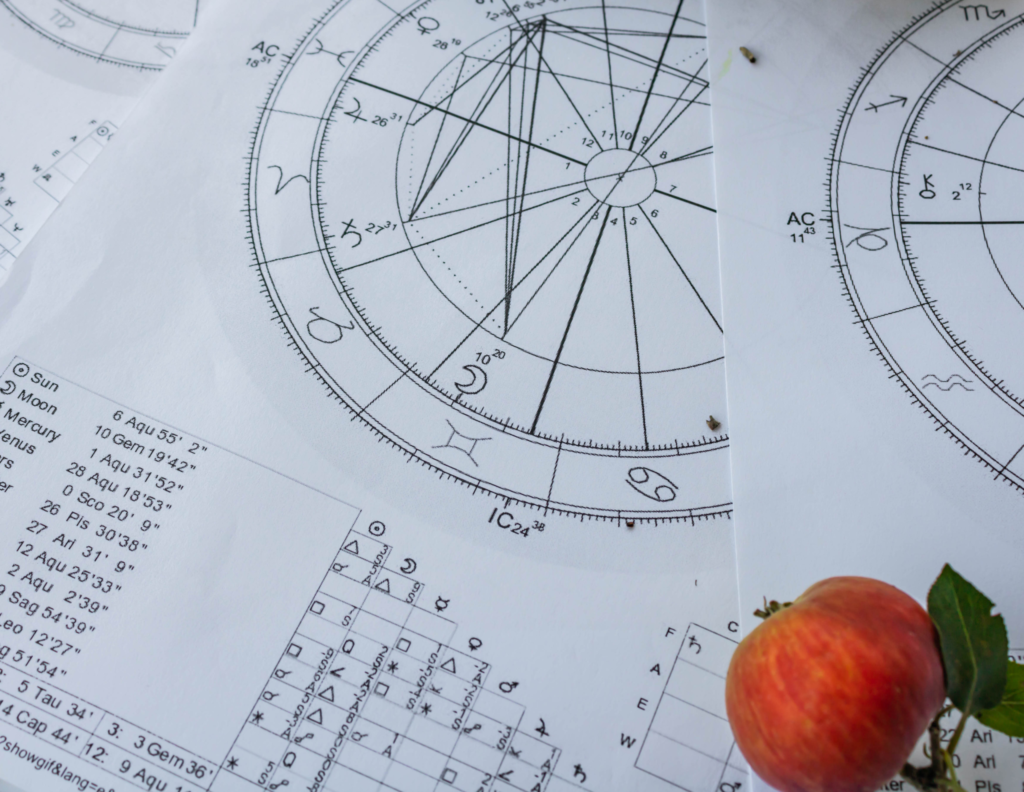
What Is a Birth Chart, Really?
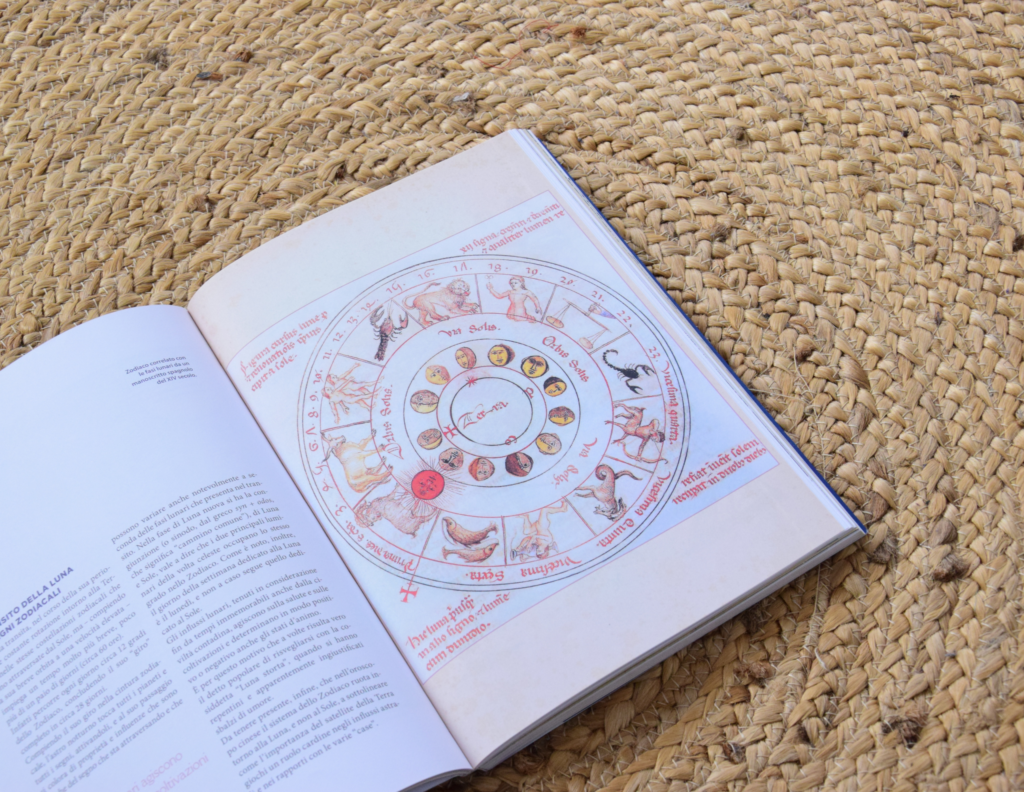
Before getting into the houses themselves, it helps to understand what you’re actually looking at when you open a birth chart. The circular wheel you see is a two-dimensional representation of the sky as it appeared from your exact birthplace at the moment you were born. The planets are plotted around this wheel, and the chart is then divided into those 12 houses.
The key thing that separates a birth chart from a general horoscope is specificity. A horoscope based on your Sun sign applies to roughly one-twelfth of the population. A birth chart, by contrast, is based on your exact birth time, date, and location — which means the positions can shift dramatically even for people born on the same day. Twins born an hour apart can have noticeably different charts.
Why Birth Time and Location Matter So Much
The houses are determined by the Earth’s rotation, not by the planets’ positions in the sky. Because the Earth rotates roughly once every 24 hours, the entire chart shifts about one degree every four minutes. That’s why your birth time is the most time-sensitive piece of information in your chart — without it, astrologers can’t accurately calculate which house each planet falls into.
Location matters for the same reason. The horizon line, which forms the basis of the house system, looks different depending on where on Earth you’re standing. Someone born in London and someone born in Tokyo at the exact same moment will have different house placements, even if their planetary positions are nearly identical.
If you don’t know your birth time, don’t panic — you can still get a lot from your chart. You just won’t be able to rely on house placements as part of your reading, and the Ascendant (the cusp of the first house) will be unknown.
Signs, Planets, and Houses: How They Work Together
Here’s the most useful framework for understanding what houses actually do. Think of a theatrical production:
- The planets are the actors — Mercury, Venus, Mars, and so on each bring their own energy and character to whatever they touch.
- The signs are the costumes and performance styles — Aries Mars acts very differently from Libra Mars, even though it’s the same planet.
- The houses are the stages — they show which part of life the performance is happening in.
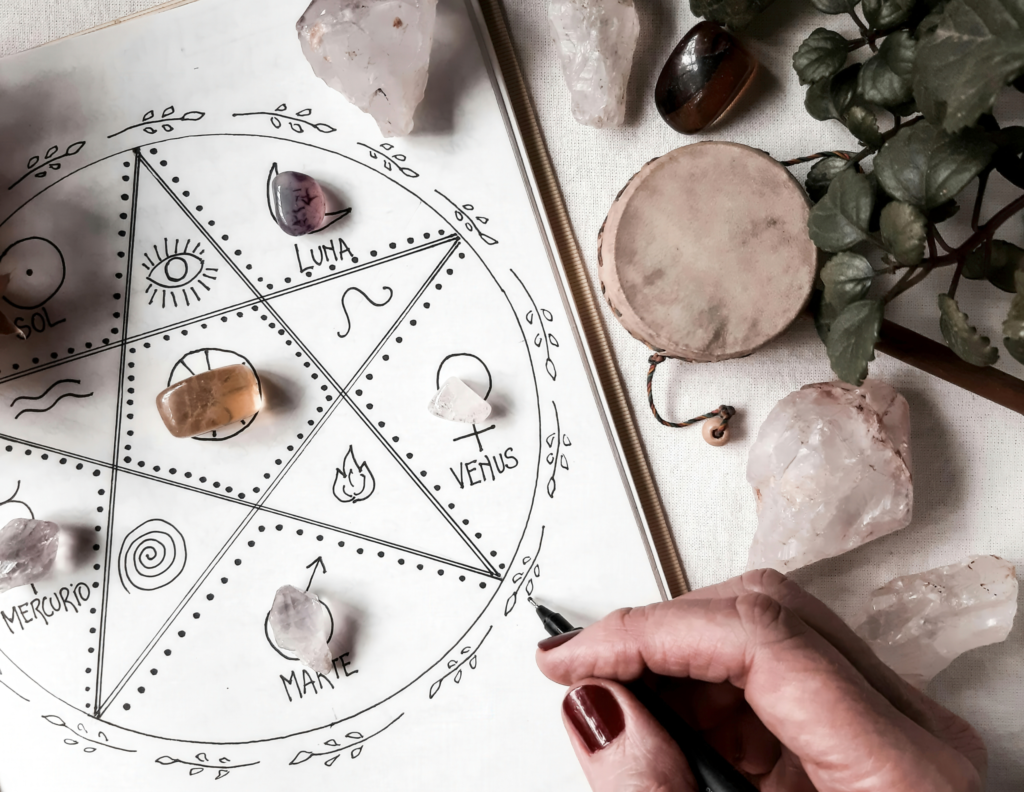
So if you have Venus in Gemini in your seventh house, you’ve got the planet of love and beauty (Venus), expressed in a curious, communicative way (Gemini), playing out in the area of one-to-one partnerships (seventh house). All three layers combine to give you a richer picture than any one piece alone could provide.
This is also why the same planet in the same sign can mean something different for different people. A Venus in Libra in the second house (focused on personal finances and values) reads very differently from a Venus in Libra in the tenth house (influencing your public image and career). The planet and sign stay the same; the house changes everything about where that energy is directed.
The 12 Houses at a Glance
| House | Main Theme | Key Life Areas |
|---|---|---|
| 1st | Self & Identity | Appearance, first impressions, how you come across to others |
| 2nd | Money & Values | Income, possessions, personal values, material security |
| 3rd | Communication | Learning, siblings, local travel, everyday conversations |
| 4th | Home & Roots | Family, emotional foundations, ancestry, where you feel safe |
| 5th | Creativity & Joy | Romance, play, children, self-expression, hobbies |
| 6th | Work & Health | Daily routines, physical wellbeing, service, habits |
| 7th | Partnerships | Marriage, close relationships, contracts, open enemies |
| 8th | Transformation | Shared finances, intimacy, death, rebirth, power dynamics |
| 9th | Expansion | Travel, higher education, philosophy, belief systems |
| 10th | Career & Legacy | Public image, ambition, reputation, life direction |
| 11th | Community | Friendships, networks, groups, future goals, social causes |
| 12th | The Hidden Self | Spirituality, solitude, endings, what’s behind the scenes |
The First House: Who You Are at First Glance
The first house is the most personal placement in the chart. It starts at the Ascendant — the degree of the zodiac that was rising on the eastern horizon at the moment of your birth — and it describes how you show up in the world before you’ve said a single word.
This is your physical appearance, your default energy, the vibe you give off when you walk into a room. It’s often described as the “mask” you wear, but that’s a bit misleading — it’s less about pretending and more about your instinctive way of presenting yourself. Someone with Scorpio rising will naturally carry a certain intensity, regardless of how cheerful their Sun sign might be.
Any planets in your first house colour your identity in a significant way. Mars in the first house can give someone a driven, direct energy. Venus in the first house often softens the appearance and makes someone come across as charming and warm.
The Second House: What You Value and Own
The second house covers personal finances, material possessions, and — perhaps more interestingly — the values that drive your relationship to money and security. It’s not just about how much you earn, but how you feel about earning it, spending it, and keeping it.
There’s a reason astrologers say this house is about self-worth as much as net worth. Your relationship to financial security is often deeply tied to how you value yourself. A planet like Saturn in the second house might indicate lessons or restrictions around money, but also the potential to build something very solid over time. Jupiter here can point to abundance, though whether that translates to actual wealth depends on the rest of the chart.
Beyond money, this house covers the things you own — but also the things that feel like yours in a deeper sense, including your talents and resources. If you want to understand your Crystal Journal in a spiritual context, the second house is worth a look.
The Third House: How Your Mind Works in Daily Life
The third house governs communication, learning, and the local world around you — your siblings, your neighbourhood, short trips, and the daily back-and-forth of information exchange. It’s the house of the curious, restless mind.
Mercury rules this house naturally, which gives you a sense of its energy. It’s about how you process and share information on a day-to-day basis, how you talk, write, and think. Someone with a strongly placed planet here might be a natural communicator, a compulsive reader, or someone who’s forever making short trips and staying connected to their local community.
Siblings and early childhood education fall here too, making it relevant to how your formative mental environment shaped you. A difficult planet in the third house can sometimes point to complicated sibling dynamics or learning challenges early in life.
The Fourth House: Your Roots and Emotional Foundation
The fourth house sits at the very bottom of the chart — called the Imum Coeli or IC — and it represents your private world. Home, family, ancestry, and emotional security all live here. This is where you retreat, where you feel most yourself when no one’s watching.
Your family of origin, particularly your experience of the parent you associate with home and nurturing, tends to be reflected in fourth house placements. A loaded fourth house can indicate someone for whom home and family are central to their identity. Planets here often describe the emotional atmosphere of the home you grew up in, and sometimes the kind of home environment you’re drawn to create as an adult.
The Moon in Astrology has a natural resonance with this house — both deal with emotional security, the past, and the instinctive, private self.
The Fifth House: Play, Pleasure, and Creative Fire
The fifth house is one of the chart’s most joyful placements. This is where you’ll find creativity, romance, pleasure, children, and play — the parts of life where you get to express yourself freely and have fun doing it.
This house isn’t just about literal children; it’s about creative output of any kind — the things you bring into the world that feel like an extension of your self-expression. Art, hobbies, passion projects, the first flush of a new romance — all fifth house territory. Even gambling and risk-taking for the thrill of it fall here, reflecting the house’s connection to joy and spontaneity.
Planets in the fifth house often describe how someone plays and loves in that early, excited stage. Venus here can point to a particularly romantic or creative nature. Saturn can make someone more serious about creative work, or indicate that pleasure and play feel earned rather than effortless.
The Sixth House: The House of Daily Habits
The sixth house is the house of routine — which might sound underwhelming, but underestimate it at your peril. Daily habits, work ethic, physical health, and the way you structure your time all live here. So does service: how you help others in a practical, everyday sense.
This isn’t the glamorous career house (that’s the tenth); it’s more about the daily grind — your working environment, the tasks you take on, your relationship to your own body and its needs. Planets in the sixth house can describe your approach to work and wellness in revealing detail. Mercury here might indicate someone who works best through precision and analysis. Mars here can make someone driven in their daily tasks, but occasionally prone to burning out.
If you’ve been working on your meditation practice, the sixth house is worth considering — it governs exactly the kind of ritual daily practice that supports long-term wellbeing.
The Seventh House: The Mirror of Partnership
Sitting directly opposite the first house, the seventh house is the house of partnerships — romantic, business, and everything in between. Where the first house is about you as an individual, the seventh house describes how you show up in close, committed, one-to-one relationships.
What’s interesting about this house is that it often describes qualities you’re drawn to in others — and sometimes qualities you haven’t yet claimed in yourself. Astrologers sometimes say that seventh house placements describe what you need to find in partnership, whether or not you’re naturally inclined to express that energy yourself.
The seventh house also covers open enemies and legal contracts — essentially, any situation where you’re in a formal relationship with another person. If you’ve explored the Justice Tarot Card, you’ll recognise some of the themes: balance, fairness, the formal structures that govern how we relate.
The Eighth House: Depth, Power, and Shared Resources
The eighth house is often called the most intense in the chart, and it earns that reputation. This is the house of transformation, shared finances, intimacy, death, inheritance, and everything that sits beneath the surface of ordinary life. It’s where things get deep.
In a practical sense, the eighth house covers money that’s shared or owed — loans, mortgages, joint accounts, other people’s resources, and inheritance. In a psychological sense, it governs power dynamics, emotional vulnerability, and the process of profound change. It’s connected to the parts of life you can’t just opt out of: loss, transformation, the things that strip you down to your core.
Planets here often describe someone’s relationship to depth and change. A strong eighth house in a chart can indicate someone drawn to psychology, the occult, healing work, or anything that involves going beneath the surface. The themes of Obsidian Crystal — shadow work, protection, facing what’s hidden — resonate strongly with eighth house energy.
The Ninth House: The Quest for Meaning
The ninth house is the house of expansion — in the broadest sense of the word. Long-distance travel, higher education, philosophy, religion, and belief systems all belong here. If the third house is about how you communicate locally and everyday learning, the ninth is about the ideas that change your worldview entirely.
This is the house of the seeker. It describes your hunger for meaning, your relationship to belief, and the kind of experiences that broaden your understanding of what’s possible. A planet like Jupiter here is in its home territory — it amplifies the ninth house’s natural desire to explore and grow.
Publishing, broadcasting, and reaching a wide audience also fall under this house, which makes it significant for anyone whose work involves sharing ideas at scale. If you’re drawn to astrology as a philosophical framework — understanding yourself in relation to the cosmos — that inclination lives largely in the ninth house.
The Tenth House: Career, Reputation, and Your Public Face
The tenth house sits at the very top of the chart, known as the Midheaven or MC, and it represents your public image, ambitions, and the mark you want to leave on the world. Career in the broadest sense: not just your job, but your calling, your reputation, the role you play in society.
This is often one of the most scrutinised houses in astrology, partly because it speaks to something most people care deeply about — how they’re seen and what they’ve made of their life. The planets here, and the sign on the cusp, can describe your professional ambitions, what kind of authority you’re drawn to, and how the public perceives you.
It’s worth pairing the tenth house with an understanding of the planets themselves. If you’ve read about Mars in Astrology, for instance, a Mars placement in the tenth house might show someone who pursues their career with drive and competitiveness — or who becomes known for their assertiveness.
The Eleventh House: Your Tribe and Your Future
The eleventh house covers friendships, social networks, groups, communities, and future aspirations. It’s the house of collective connection — where you find your people, the causes you care about, and the long-term visions you’re working toward.
This isn’t the same as seventh house partnership, which is intimate and one-to-one. The eleventh is more about your place within a wider community. It describes your social life in the sense of shared interests and group belonging, as well as your relationship to the future: the goals you hold for your life over the long arc.
Planets here can describe how you connect in group settings, what kinds of communities feel like home to you, and whether your social world tends to be expansive or more focused. Saturn in the eleventh, for example, might indicate that friendships are carefully chosen and deeply meaningful rather than numerous and casual.
The Twelfth House: The Unseen World
The twelfth house is the last house in the chart — and in many ways the most mysterious. It governs spirituality, solitude, hidden matters, endings, and retreat. This is the house of what’s behind the scenes, including your unconscious patterns, what you carry from the past, and the parts of yourself that aren’t visible to the outside world.
Often called the house of self-undoing as well as the house of spiritual liberation, the twelfth contains the things we haven’t fully integrated. It can describe areas of hidden strength as much as hidden struggle. People with many planets here may feel drawn to spiritual practice, creative solitude, or working in ways that happen away from the spotlight.
Meditation, dreamwork, and any practice that involves turning inward naturally connects to twelfth house energy. If the themes of Pisces Season resonate with you — that sense of dissolution, spirituality, and moving between the seen and unseen — you’re already feeling the twelfth house pull.
What About Empty Houses?
One of the most common questions in astrology is: what does it mean if a house has no planets in it? The short answer is: nothing alarming. Everyone has empty houses in their chart, and an empty house doesn’t mean that area of life is missing or unimportant.
When a house is empty, astrologers look instead at the sign on the cusp of that house and the planetary ruler of that sign. That ruler’s placement in the chart tells you where the energy of that life area is being directed. For example, if you have Taurus on the cusp of your fourth house and Venus (Taurus’s ruler) is in your eleventh house, the energy of home and family might express itself through your social circles or through building community.
Empty houses simply indicate areas where you don’t have the direct planetary pressure that can sometimes make life feel more intense or complicated. They’re areas where things may unfold more smoothly — or more quietly.
Different House Systems: Does It Matter Which One You Use?
If you’ve ever compared your chart across different astrology apps or sites, you might have noticed that house placements can shift depending on which system the software uses. This is because there’s more than one mathematically valid way to divide the sky into 12 houses.
The most common systems include Placidus (the default in most Western astrology software), Equal House (which divides the chart into equal 30-degree segments), and Whole Sign (an ancient system where each house corresponds to one complete zodiac sign). Each has its advocates and its own logic.
For most beginners, starting with Placidus or Whole Sign is fine. Whole Sign in particular has seen a revival in interest, partly because it’s simpler to work with and less sensitive to extreme latitudes. What matters most is consistency — pick a system, learn it well, and stick with it until you have a solid foundation before experimenting.
If you’re interested in how different planetary frameworks shape interpretation, our post on Uranus in Astrology explores how planetary rulerships developed over time as new planets were discovered.
Putting It All Together
Understanding the houses is one of those things that can feel abstract until you start applying it to real charts — ideally your own. When you pull up your birth chart and start seeing your planets in context, the houses are what give you the “where.” They anchor the planets’ energy into specific life areas and make the whole chart start to feel coherent.
The twelve houses move through three natural groupings that astrologers call the angular houses (first, fourth, seventh, tenth — the most prominent, career and relationship focused), succedent houses (second, fifth, eighth, eleventh — stabilising, resource-oriented), and cadent houses (third, sixth, ninth, twelfth — transitional, thought-oriented). These groupings give you a sense of the rhythm of the chart as a whole.
A useful first exercise: find where your Sun, Moon, and rising sign’s ruler fall by house, and see which areas of life those three most important chart factors are activated in. That alone can be remarkably revealing.
If you want to go deeper, pairing your house placements with astrological compatibility insights or exploring how specific planets like the Sun in Astrology express themselves through different houses can help you build a much richer understanding of the whole system.
Final Thoughts
The birth chart houses are the architecture that makes astrology personal. Without them, you’re working with a system that describes everyone in broad strokes. With them, you have a map that’s specific to you — the particular stage your life is set on, and the areas where the biggest planetary dramas tend to play out.
Your chart is worth learning slowly. You don’t need to understand all twelve houses at once. Start with the houses that contain your most personal planets — Sun, Moon, and Ascendant — and build from there. The rest will start to make sense as you keep returning to it.
What does your chart have lighting up the most? Drop a comment below and let’s talk about what you’re discovering.
Ready to go deeper into the cosmic blueprint? Explore more astrology posts and our full range of spiritual planning tools — including birth chart workbooks and lunar planners — in the Weird Headlines shop.
Never miss a post — sign up to the Weird Headlines newsletter for weekly astrology, crystal, and tarot content delivered straight to your inbox.
Continue Your Journey
- Moon in Astrology: Your Emotional World & Inner Needs — Explore how the Moon’s placement shapes your inner emotional landscape
- The Sun in Astrology: Your Core Identity & Life Purpose — Understanding your most fundamental astrological placement
- Mercury’s Influence in Astrology: An Overview — How Mercury shapes communication, thinking, and day-to-day mind
- Discover Your Love Match with Astrological Compatibility Insights — How house overlays play into relationship astrology
- The Seven Chakras: A Complete Beginner’s Guide — Pair your astrological self-knowledge with an understanding of energy centres