Meditation for Beginners: 7 Techniques to Start Your Practice
We may earn money or products from the companies mentioned in this post.
Meditation isn’t about emptying your mind or achieving some perfect zen state. It’s simply training your attention, which is something anyone can do with a bit of patience and the right approach.
If you’re new to meditation, the good news is that you don’t need special equipment, years of practice, or even much time. Just a few minutes a day with simple techniques can make a real difference in how you feel and how you navigate daily life.
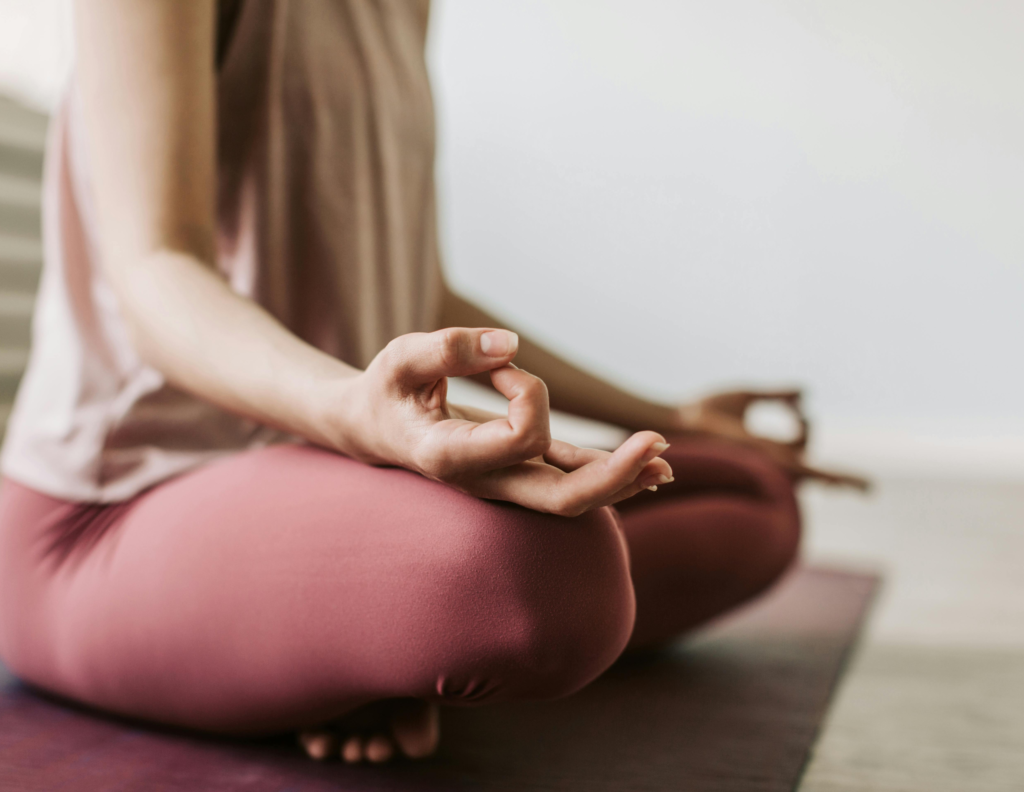
What Is Meditation Really About?
At its core, meditation is attention training. You’re teaching your mind to focus on something specific, whether that’s your breath, body sensations, or a simple phrase.
Enhance Your Spiritual Practice
Discover our collection of digital planners and mystical tools designed to deepen your journey with tarot, crystals, and astrology.
Visit Our ShopWhen your mind wanders (and it will), you gently bring it back. That moment of noticing you’ve drifted and returning to your focus? That’s the practice right there, and it’s where the real benefit comes from.
Think of it like going to the gym for your mind. Each time you catch yourself wandering and come back, you’re doing a mental rep that strengthens your attention muscle over time.
Getting Started: The Basics
Before you jump into specific techniques, here are a few fundamentals that apply to all meditation practice. These simple guidelines will help you build a sustainable habit that actually sticks.
Choose a comfortable position. You can sit in a chair, on a cushion, or even lie down if that works better for your body. The key is keeping your back reasonably straight so you can breathe freely without straining.
Start ridiculously small. Two to five minutes is genuinely enough when you’re beginning. You can gradually build up to 10 or 20 minutes as it feels easier, but there’s no rush.
Pick a simple focus. Your breath, body sensations, or a short phrase all work perfectly. The simpler the better when you’re learning.
Expect your mind to wander. Restlessness, boredom, planning tomorrow’s dinner – all completely normal. The skill isn’t in having a perfectly quiet mind; it’s in noticing when you’ve drifted and gently coming back without judging yourself.
Be genuinely kind to yourself. Impatience and frustration are part of the process. Treat yourself like you’d treat a good friend who’s learning something new.
7 Beginner-Friendly Meditation Techniques
Each technique below offers a different entry point into meditation. Try a few and see which one feels most natural for you right now. You can always explore others as your practice develops.
1. Breath Awareness Meditation
This is as foundational as meditation gets, and it’s portable enough to use anywhere. You’re simply paying attention to the natural rhythm of your breathing without trying to change it.
Sit comfortably, close your eyes if that feels right, and notice the sensations of breathing. You might feel air moving through your nostrils, your chest rising and falling, or your belly expanding and contracting.
When your mind wanders off to your shopping list or an upcoming meeting, mentally note “thinking” or “wandering,” then return to the breath. Practice for two to five minutes at first, extending the time as it becomes easier.
The beauty of breath awareness is that your breath is always with you. Once you’ve practiced this a bit, you can use it in moments of stress or whenever you need to center yourself during the day.
2. Counting the Breath
If your mind feels especially busy or scattered, adding a counting structure can help anchor your attention. This technique gives your brain something concrete to hold onto.
On each complete breath cycle (one inhale and exhale), count “one.” The next cycle is “two,” continuing up to “ten,” then starting again at “one.”
If you lose track or find yourself suddenly at “seventeen,” simply reset to “one” without making it a big deal. Use this counting for a few minutes, then if it feels comfortable, drop the numbers and rest in natural breathing.
This technique is particularly helpful when you’re feeling anxious or overwhelmed. The counting provides just enough structure to prevent your mind from spiraling while still keeping the practice simple.
3. Body Scan Meditation
For people who spend a lot of time “in their head,” a body scan helps you reconnect with physical sensations and release tension you might not even realize you’re holding. It’s especially good before bed if you struggle with sleep.
Sit or lie down somewhere comfortable and take a few slow breaths to settle in. Bring your attention to the very top of your head, noticing any sensations there without trying to change or fix anything.
Slowly “scan” down through your face, neck, shoulders, arms, chest, back, belly, legs, and feet. Notice whatever you find – tightness, warmth, heaviness, or complete neutrality. If you get distracted, come back to whichever body part you were on and continue down to your toes.
The body scan naturally promotes relaxation, but that’s a side effect rather than the goal. The real practice is cultivating awareness of what’s actually happening in your body right now.
4. Mindfulness of Thoughts and Emotions
Once breath or body awareness feels somewhat familiar, you can explore this slightly more advanced technique. Instead of focusing on one thing, you’re observing whatever arises in your awareness.
Sit quietly and anchor lightly on your breath. As thoughts, feelings, or sensations appear, notice them like clouds passing across the sky rather than getting caught up in their story.
Label them gently if that helps – “planning,” “worry,” “anger,” “anticipation” – then return to your breath or body. The goal isn’t to stop thoughts from coming; it’s to change your relationship with them so you can respond more wisely instead of reacting automatically.
This practice directly supports the kind of chakra balancing work many spiritual practitioners do, as it helps you observe and release blocked emotional energy.
5. Loving-Kindness Meditation
This practice is especially valuable if you struggle with harsh self-criticism or find yourself holding onto resentment. It’s about cultivating goodwill rather than forcing positive feelings you don’t actually have.
Sit comfortably and bring yourself to mind. Silently repeat phrases like “May I be peaceful, may I be healthy, may I be safe.” The exact words matter less than the gentle intention behind them.
After a minute or two, bring to mind someone you care about and offer them the same phrases. Then think of a neutral person (maybe someone you see regularly but don’t know well), and optionally someone you find difficult.
The feelings don’t always arise immediately, and that’s fine. You’re planting seeds of kindness that grow over time with repeated practice.
6. Guided Visualization
If sitting in silence feels overwhelming or you find your mind racing too much, guided visualization can provide a helpful middle ground. Many people find this easier when they’re starting out.
Close your eyes and imagine a calming scene – a quiet beach, a forest, warm light surrounding you – using as many senses as possible. What do you hear, smell, feel on your skin?
You can follow a voice recording or app that leads you through the scene, prompting you about what to notice or areas of your body to relax. Use this for five to ten minutes when you feel stressed or overstimulated.
Visualization meditation pairs beautifully with practices like working with moon phases or connecting with the four elements, as you can visualize these energies while meditating.
7. Micro-Meditations
These ultra-short sessions are how you actually build a daily habit. Rather than waiting until you have 20 free minutes (which might never happen), you practice for two to five minutes at predictable moments throughout your day.
Choose a daily anchor like after your morning coffee, after lunch, or before bed. Set a simple timer so you’re not clock-watching, and do a brief breath or body-scan session.
When the timer rings, pause for a few seconds to notice how you feel before moving on. These short, regular sessions strengthen your attention more reliably than occasional long sits.
Micro-meditations work especially well when combined with other spiritual practices. Try a quick meditation before pulling tarot cards or working with your crystals to deepen your connection.
Which Technique Should You Try First?
If you’re feeling overwhelmed by choices, here’s a simple way to decide based on what resonates with your current needs and temperament.
| Technique | Best for beginners who… | Main focus | Start time |
|---|---|---|---|
| Breath awareness | Want something simple and portable | Natural breathing | 2-5 minutes |
| Counting the breath | Have very busy or scattered minds | Breath plus counting | 2-5 minutes |
| Body scan | Feel tense or stuck in their heads | Physical sensations | 5-10 minutes |
| Mindfulness of thoughts | Want help with overthinking or strong emotions | Thoughts and feelings | 5-10 minutes |
| Loving-kindness | Struggle with self-criticism or resentment | Warm, kind phrases | 5-10 minutes |
| Guided visualization | Prefer imagery and guided audio | Imagined scenes | 5-10 minutes |
| Micro-meditations | Are short on time or easily overwhelmed | Brief focus breaks | 2-5 minutes |
Most beginners find breath awareness or counting the breath easiest to start with. They’re straightforward, require no special setup, and you can practice them anywhere.
Making Meditation Actually Stick
Knowing techniques is one thing; building a consistent practice is another. Here are three practical strategies that help meditation become a natural part of your routine rather than another thing you feel guilty about not doing.
Link it to an existing habit. Meditation is much more likely to stick when you attach it to something you already do reliably. After brushing your teeth, during your commute (if you’re not driving), at lunchtime – whatever makes sense for your life.
Lower the bar dramatically. It absolutely counts even if you only sit for two minutes. In fact, two minutes every day beats 30 minutes once a week for building the habit. Consistency trumps intensity when you’re starting out.
Expect ups and downs. Some sessions will feel calm and focused. Others will feel like wrestling with an overactive puppy. Both experiences are completely normal and valuable, because the benefit comes from showing up consistently, not from having perfect experiences.
Many practitioners find that meditation deepens their connection to other spiritual practices. Regular meditation can enhance your tarot readings, strengthen your work with chakras, or amplify the effects of crystal healing.
Common Questions and Concerns
“My mind won’t stop racing. Am I doing it wrong?” No, a busy mind is completely normal, especially at first. The practice isn’t about stopping thoughts; it’s about noticing when you’ve gotten caught up in them and coming back. Each return is a successful rep.
“I keep falling asleep. Is that okay?” If you’re falling asleep during meditation, you’re probably genuinely tired and need rest more than meditation practice. Try meditating at a different time of day when you’re more alert, or practice sitting up rather than lying down.
“How long should I meditate?” Start with two to five minutes. Seriously, that’s enough. As it becomes easier and more enjoyable, you’ll naturally want to sit for longer periods. Let your practice expand organically rather than forcing it.
“Should I meditate at the same time every day?” Same time and place does help build the habit, but don’t let it become a rigid rule that sets you up for failure. Better to meditate at different times than to skip it because your “perfect” time didn’t work out.
“Can I listen to music?” Some people find gentle background music or nature sounds helpful, especially when starting. Others find it distracting. Experiment and see what works for you, keeping in mind that eventually practicing in silence offers deeper benefits.
Your Next Steps
The best meditation technique is genuinely the one you’ll actually do. Don’t overthink this – pick one from the list above that sounds appealing and try it for a week.
If it doesn’t feel right after a week, try a different one. There’s no “wrong” choice here, and you’re not locked into your first pick forever.
Start with just two minutes after something you already do every day. That’s it. Two minutes of breath awareness after your morning coffee, or a quick body scan before bed. Build from there only when it feels genuinely easy to do so.
Meditation pairs beautifully with other mindfulness practices. Consider combining your practice with seasonal rituals, working with planetary energies, or exploring divination methods to create a holistic spiritual practice.
Have you tried meditation before? Which technique sounds most appealing to you? Drop a comment below and let me know where you’re starting – I’d love to hear about your experience.