The Mindful Path: Exploring Common Meditation Techniques
We may earn money or products from the companies mentioned in this post.
Meditation, an ancient practice with roots in various spiritual and cultural traditions, has gained widespread popularity in recent years as a powerful tool for mental, emotional, and physical well-being. At its core, meditation is a technique for training the mind to focus and redirect thoughts, often leading to a state of increased awareness and inner calm.
The benefits of regular meditation practice are numerous and well-documented:
- Reduced stress and anxiety
- Improved emotional regulation
- Enhanced self-awareness
- Better sleep quality
- Increased focus and concentration
- Lower blood pressure
- Potential pain reduction
As more people turn to meditation for its myriad benefits, it’s important to understand that there isn’t a one-size-fits-all approach. Different meditation methods can suit various preferences and goals. This guide will explore some of the most common meditation techniques, providing insight into their practices and benefits.
Enhance Your Spiritual Practice
Discover our collection of digital planners and mystical tools designed to deepen your journey with tarot, crystals, and astrology.
Visit Our Shop
Mindfulness Meditation
Mindfulness meditation is perhaps the most widely practiced form of meditation in the Western world. Rooted in Buddhist traditions but secularized for modern practice, mindfulness involves paying attention to the present moment without judgment.
In mindfulness meditation, practitioners focus on their breath, bodily sensations, thoughts, or surrounding environment. The key is to observe these experiences without getting caught up in them or trying to change them.
How to practice mindfulness meditation:
- Find a comfortable seated position.
- Close your eyes or maintain a soft gaze.
- Focus your attention on your breath, noticing the sensation of air moving in and out.
- When your mind wanders (and it will), gently redirect your attention back to your breath.
- Continue this process for your desired duration, typically starting with 5-10 minutes and gradually increasing.
Mindfulness meditation has been extensively studied and shown to have numerous benefits, including:
- Reduced rumination and overthinking
- Improved working memory
- Increased cognitive flexibility
- Enhanced relationship satisfaction
Its versatility makes it applicable in various settings, from clinical environments to corporate offices.
Transcendental Meditation
Transcendental Meditation (TM) is a specific form of mantra meditation introduced by Maharishi Mahesh Yogi. Unlike mindfulness, which involves active attention, TM aims to transcend thought and achieve a state of pure awareness.
In TM practice:
- Practitioners silently repeat a personalized mantra given to them by a certified TM teacher.
- The meditation is typically practiced for 20 minutes, twice daily.
- The goal is to settle the mind and achieve a state of “restful alertness.”
TM has been the subject of numerous scientific studies, with research suggesting potential benefits such as:
- Reduced cortisol (stress hormone) levels
- Improved cardiovascular health
- Enhanced creativity and problem-solving skills
- Decreased symptoms of PTSD in some individuals
While TM requires instruction from a certified teacher, many practitioners find it to be a simple and effective technique for stress reduction and personal growth.
Loving-Kindness (Metta) Meditation
Loving-kindness meditation, also known as Metta meditation, is a practice focused on cultivating feelings of goodwill, kindness, and compassion towards oneself and others. This technique has its roots in Buddhist traditions but has been adapted for secular use.
The practice typically involves:
- Starting with self-directed loving-kindness, silently repeating phrases like “May I be happy, may I be healthy, may I be safe, may I live with ease.”
- Gradually extending these wishes to others, starting with loved ones, then acquaintances, then difficult people, and finally all beings.
Benefits of loving-kindness meditation include:
- Increased positive emotions and life satisfaction
- Reduced symptoms of depression
- Enhanced empathy and compassion
- Improved social connections
This form of meditation can be particularly helpful for those struggling with self-criticism or looking to improve their relationships with others.
Body Scan Meditation
Body scan meditation is a technique that involves systematically focusing attention on different parts of the body, from head to toe or vice versa. This practice helps cultivate bodily awareness and can be particularly effective for reducing physical tension and promoting relaxation.
Steps for body scan meditation:
- Lie down or sit in a comfortable position.
- Close your eyes and take a few deep breaths.
- Begin to focus your attention on your toes, noticing any sensations present.
- Gradually move your attention up through your body, spending time on each part.
- If you notice areas of tension, try to breathe into them and allow them to relax.
Body scan meditation can be especially beneficial for:
- Reducing chronic pain
- Improving sleep quality
- Increasing overall body awareness
- Managing stress-related physical symptoms
This technique is often used in mindfulness-based stress reduction (MBSR) programs and can be a good starting point for those new to meditation.
Zen Meditation (Zazen)
Zen meditation, or Zazen, is a central practice in Zen Buddhism. It emphasizes rigorous self-control, insight into the nature of mind, and living in the present moment. While deeply rooted in Buddhist philosophy, many people practice Zazen for its mental and physical benefits without adhering to Buddhist beliefs.
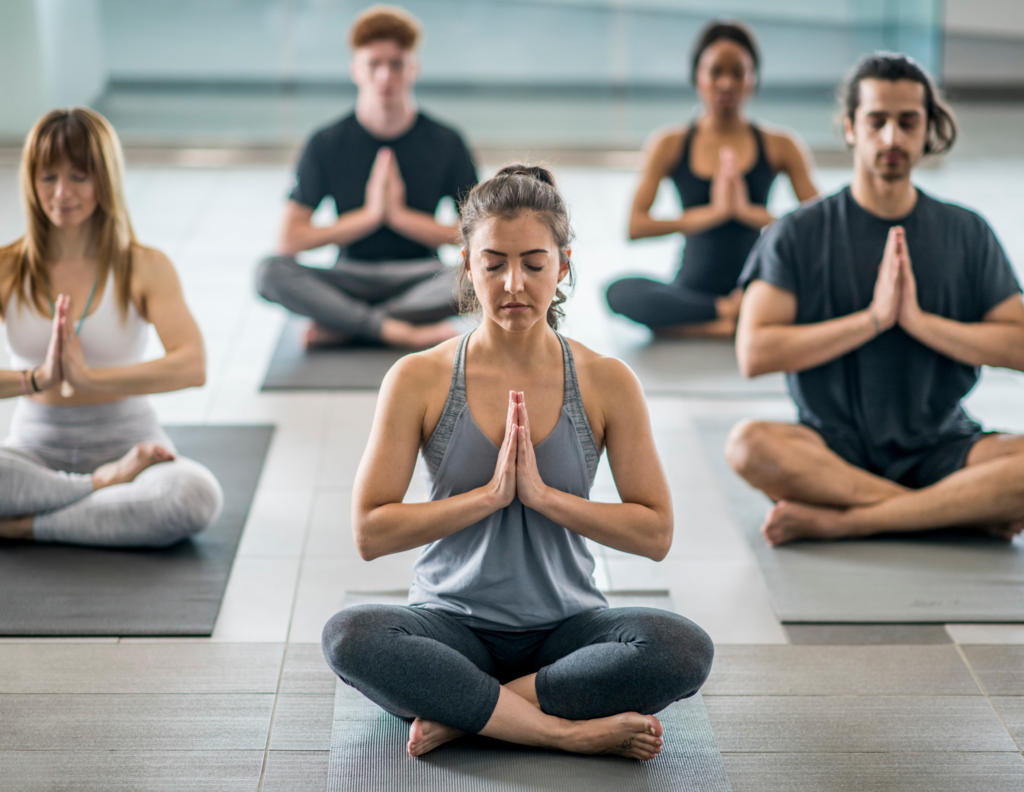
Key aspects of Zazen include:
- Specific sitting postures, typically cross-legged on a cushion or kneeling
- Focus on breath and posture
- Eyes remain open with a soft downward gaze
- Emphasis on letting thoughts pass without engaging with them
Benefits associated with Zen meditation include:
- Improved concentration and focus
- Enhanced sense of presence and mindfulness
- Reduced anxiety and depression symptoms
- Increased self-awareness
Zen meditation can be challenging for beginners due to its emphasis on posture and long periods of sitting, but many find its simplicity and focus on the present moment to be profoundly transformative.
Vipassana Meditation
Vipassana, which means “insight” or “clear seeing” in Pali, is one of India’s most ancient meditation techniques. It involves observing bodily sensations and mental events with the goal of gaining insight into the true nature of reality.
Characteristic features of Vipassana include:
- Intensive retreat formats, often 10-day silent retreats
- Systematic observation of bodily sensations
- Non-reactive awareness of thoughts and emotions
- Goal of understanding the impermanent nature of all phenomena
Potential benefits of Vipassana meditation:
- Deep insights into the nature of mind and reality
- Increased equanimity in face of life’s challenges
- Reduced reactivity to stressful situations
- Enhanced self-awareness and emotional regulation
While Vipassana can be practiced in daily life, many practitioners find that intensive retreats provide the most profound experiences and insights.
Guided Visualization
Guided visualization is a more structured form of meditation that involves creating vivid mental images to achieve specific goals. This technique can be particularly helpful for those who struggle with more traditional forms of meditation or who have specific outcomes in mind.
In guided visualization:
- A teacher, recording, or script leads the practitioner through a specific imagery scenario.
- The visualizations often involve multiple senses for a more immersive experience.
- Common themes include relaxing environments, healing imagery, or goal achievement scenarios.
Benefits of guided visualization can include:
- Reduced stress and anxiety
- Improved mood and emotional well-being
- Enhanced performance in sports or other activities
- Assistance in pain management
This technique is often used in conjunction with other therapeutic approaches and can be a powerful tool for personal growth and healing.
Movement Meditation
Movement meditation encompasses a variety of practices that combine mindful awareness with physical movement. These techniques can be particularly beneficial for those who find it challenging to sit still for extended periods.
Common forms of movement meditation include:
- Walking meditation
- Tai Chi
- Qigong
- Yoga (when practiced with mindful awareness)
Key principles of movement meditation:
- Focusing attention on bodily sensations during movement
- Coordinating movement with breath
- Maintaining present-moment awareness
Benefits of movement meditation:
- Improved physical health and balance
- Enhanced body awareness
- Reduced stress and anxiety
- Increased mindfulness in daily activities
Movement meditation can be an excellent entry point for those new to meditation and can complement other seated practices.

Conclusion
Choosing the right meditation method is a personal journey. What works best for one person may not be ideal for another. It’s often beneficial to experiment with different techniques to find what resonates with you.
Tips for establishing a regular practice:
- Start small, with just a few minutes a day
- Try to meditate at the same time each day to establish a routine
- Be patient and kind with yourself; meditation is a skill that develops over time
- Consider using apps or guided meditations to support your practice
- Join a local meditation group or attend a retreat for more in-depth experience
Remember, the goal of meditation isn’t to achieve a particular state or outcome, but rather to cultivate awareness and presence in your daily life. With regular practice, the benefits of meditation can extend far beyond the time spent in formal sitting or movement.
As you explore these different methods, pay attention to how each practice affects your mind, body, and overall well-being. Over time, you may find that you prefer one technique or that a combination of methods works best for you. The most important aspect is to find a practice that you can sustain and that supports your personal growth and well-being.