Tarot 101: The Complete Beginner’s Guide to Reading Tarot Cards and Mastering Their Meanings
We may earn money or products from the companies mentioned in this post.

Welcome to the world of Tarot, a mystical journey that weaves together symbols, intuition, and ancient wisdom. If you’ve ever felt drawn to the allure of these beautifully illustrated cards and wondered about their meanings, you’re in the right place.
The Tarot is more than just a deck of cards; it’s a mirror reflecting our inner truths and an age-old tool for self-discovery. Rooted in centuries-old traditions, its 78-card system is rich with symbolism from various cultures and spiritual practices. But don’t let that intimidate you! This guide will help demystify Tarot, making it accessible even if you’re just starting out.
So what exactly is Tarot? How can it be used as a tool for introspection? What do these enigmatic cards mean? Let’s turn over the first card on our journey through Tarot 101: The Complete Beginner’s Guide to Reading Tarot Cards and Mastering Their Meanings.
Enhance Your Spiritual Practice
Discover our collection of digital planners and mystical tools designed to deepen your journey with tarot, crystals, and astrology.
Visit Our ShopWhat is Tarot?
Tarot, in its simplest form, is a deck of 78 cards rich with symbolism and steeped in history. Each card represents different facets of human experience, from the tangible to the spiritual. The images on these cards are not just mere illustrations; they are powerful symbols that can serve as mirrors to our subconscious thoughts and feelings.
The beauty of tarot lies not in predicting the future but rather in its ability to provide insight into one’s self. Contrary to popular belief, tarot isn’t about fortune-telling or predicting specific events. Instead, it’s a tool for introspection and self-discovery. It helps us reflect on our lives and understand our innermost thoughts and emotions.
How did Tarot originate?
Tracing back to 14th century Europe, tarot started as a simple card game known as “tarocchi”. Initially used for entertainment purposes among Italian nobility, these decks were filled with allegorical imagery that reflected societal values of the time.
Over centuries, these decks evolved into what we now know as tarot cards. They gained popularity during the Renaissance period when scholars began associating them with mystical concepts like astrology and Kabbalah. By the late 18th century, occultists had adopted tarot for divination purposes – a practice that continues today.
What purpose does Tarot serve today?
In contemporary times, tarot has found new life beyond fortune telling. Many people use it as an introspective tool for personal growth and transformation. It serves as a mirror reflecting our subconscious mind – revealing hidden truths about ourselves that we may overlook or ignore.
Tarot encourages us to ask questions about our lives: Where am I heading? What challenges do I face? How can I overcome them? These reflective queries help us gain clarity on our current situation and guide us towards making better decisions for our future.
As we delve into the world of tarot, we learn to appreciate its depth and complexity. It’s not just about predicting events but understanding ourselves better. As we transition to our next topic “Understanding The Structure Of A Tarot Deck”, we’ll discover how each card in a tarot deck holds a unique story and meaning that can provide valuable insights into our lives.
Understanding The Structure Of A Tarot Deck
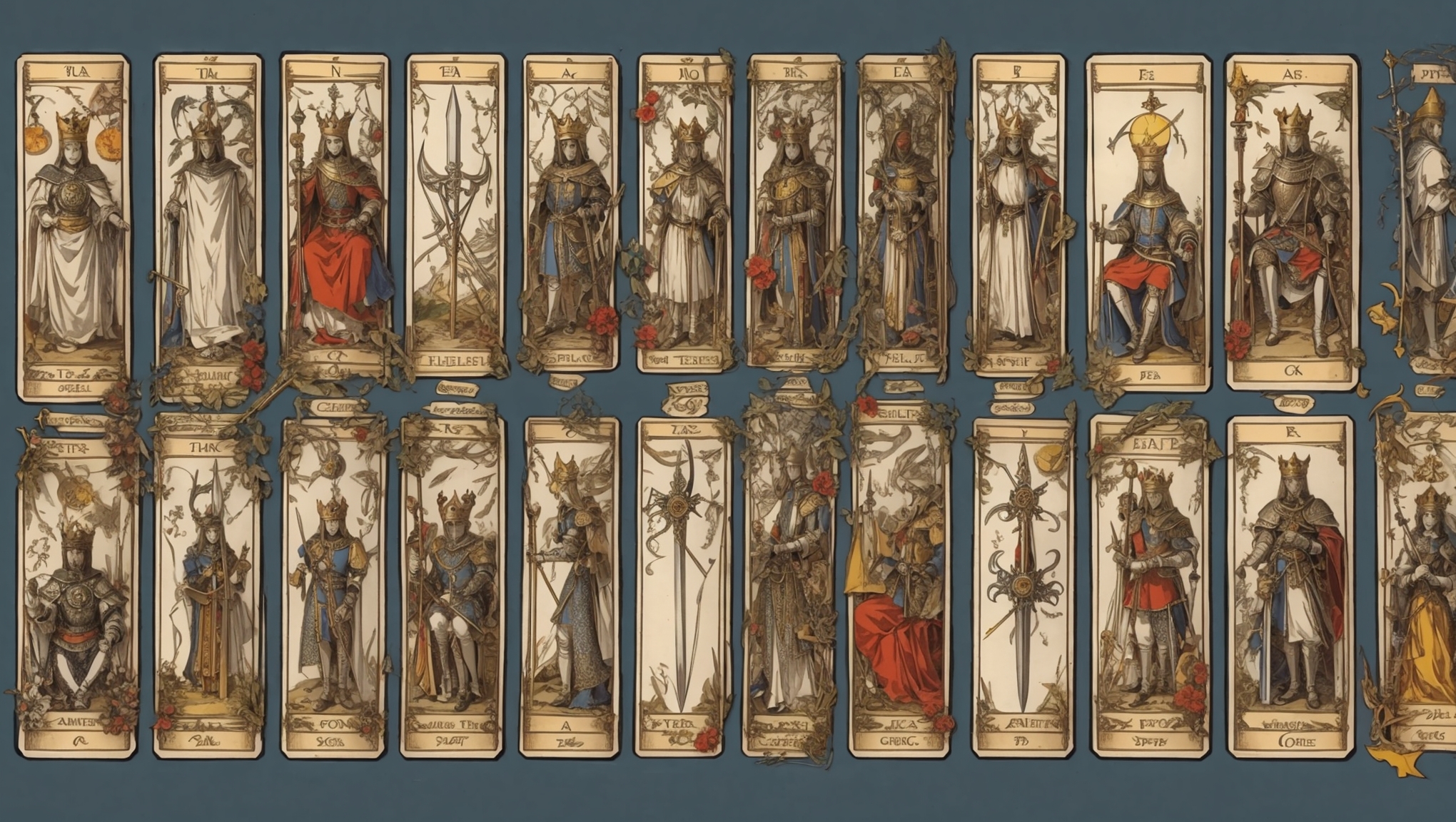
When it comes to the mystical world of tarot, the first step is understanding the structure of a tarot deck. Comprising 78 cards, a typical tarot deck is divided into two main sections: The Major Arcana and The Minor Arcana. These two sections work in harmony to provide comprehensive insights during a reading.
The Major Arcana consists of 22 cards that represent life’s karmic and spiritual lessons. On the other hand, the Minor Arcana features 56 cards that reflect everyday trials and tribulations. Together, these cards create an intricate tapestry of symbols and meanings that can guide us through life’s complexities.
What are Major Arcana Cards?
Now let’s delve deeper into what exactly Major Arcana cards are. These 22 powerful cards symbolize significant events or influences in our lives. They’re like the pillars of a building – holding up the structure with their profound messages about life, death, love, spirituality, and more.
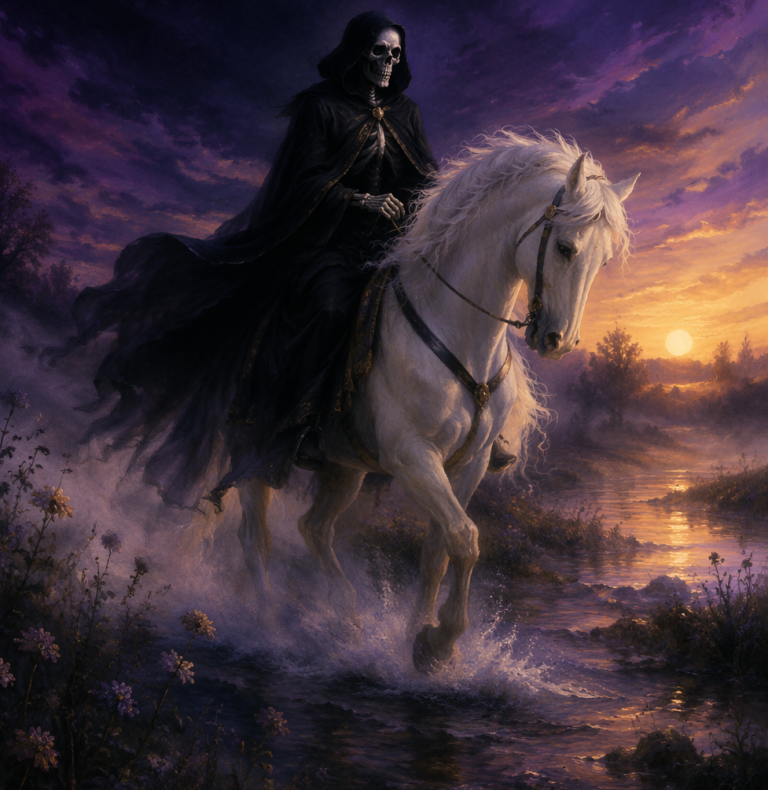
Each card from The Fool to The World carries its unique symbolism and interpretation which can vary depending on its position in a spread or its relation to other cards in a reading. For instance, ‘The Fool’ represents new beginnings while ‘The Death’ signifies transformation or end of an era.
What are Minor Arcana Cards?
Shifting our focus now to Minor Arcana Cards – these form the bulk of a tarot deck with their count standing at 56 out of total 78 cards! Unlike their major counterparts which deal with big-picture themes, minor arcana cards zoom into daily life happenings – your relationships, feelings, thoughts and actions.
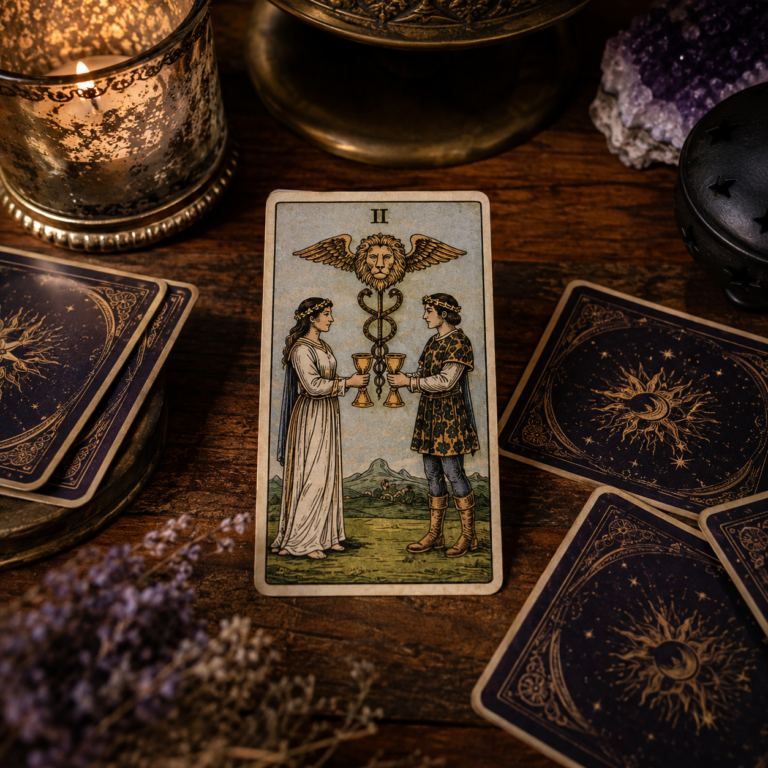
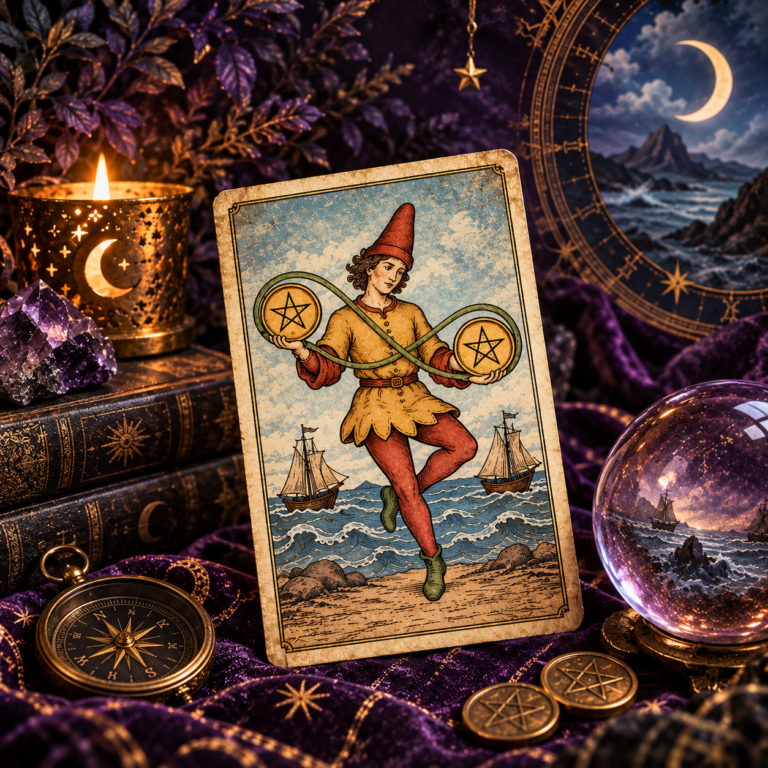
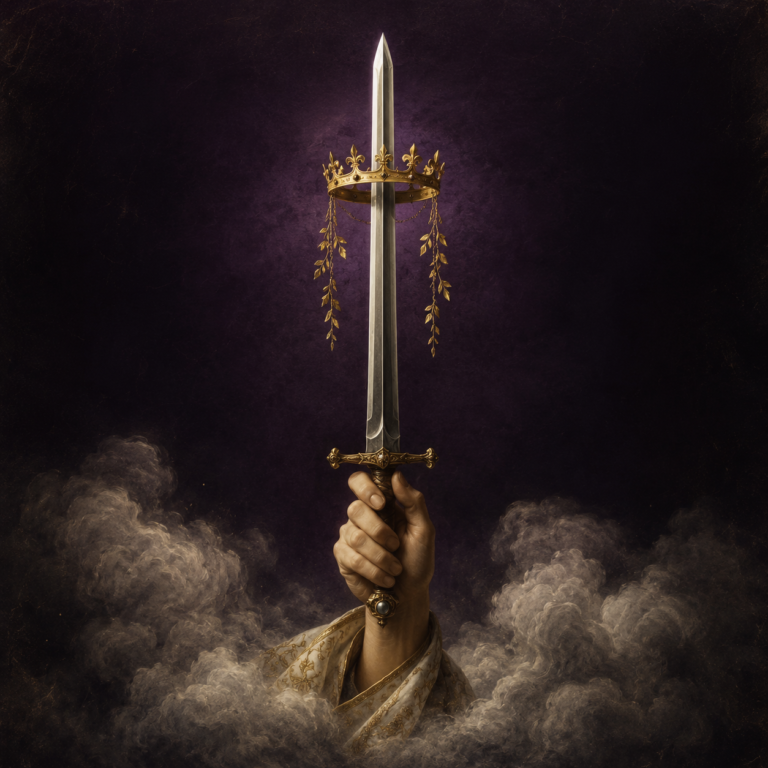
They’re further categorized into four suits namely Cups (emotions), Swords (thoughts), Wands (actions) and Pentacles (material matters). Each suit contains ten numbered cards from Ace through Ten plus four court cards: Page, Knight, Queen and King. These cards offer a more detailed perspective on the situation at hand.
As we conclude our discussion on the structure of a tarot deck and its two main components – Major and Minor Arcana, it’s important to remember that understanding these cards is just the beginning of your journey into the fascinating world of tarot reading. Next up, we’ll be diving into the intricacies of ‘The Four Suits Of The Minor Arcana’ which form an integral part of any tarot reading.
The Four Suits Of the Minor Arcana
Welcome to the mystical world of Tarot! Today, we’re going to talk about the four suits within the Minor Arcana: Pentacles, Wands, Cups, and Swords. Each suit has its unique symbolism and meaning that can guide us in understanding our lives better.
The Minor Arcana is like a mirror reflecting our daily life events, emotions, and experiences. It’s composed of 56 cards divided into four suits with each containing ten numbered cards and four court cards. Think of it as a spiritual compass helping you navigate through life’s challenges.
According to Tarot Association, there are over 3 million tarot readings conducted every day worldwide – showing how many people rely on these ancient symbols for guidance!
Meaning Behind Each Suit
Now let’s dive into what each suit represents. The Pentacles are associated with the material world – think work, money, or anything tangible in your life. They symbolize earth elements and often indicate financial matters or aspects related to your physical health or comfort.
Next up are the Wands, representing fire elements. This suit is all about energy, passion, creativity – basically everything that ‘fires’ you up! If you pull out a Wand card during your reading session, it might be hinting at an upcoming adventure or personal growth opportunity.
Moving on to Cups, they signify water elements and relate closely with emotions and relationships. So if you’ve been wondering about love or friendship matters lately, pay close attention when a Cup card appears!
Finally comes the Swords, linked with air elements – symbolizing intellect and communication. These cards often point towards decisions needing clarity of thought or situations requiring strong communication skills.
Remember that these meanings aren’t set in stone but rather serve as guides for interpretation based on your intuition and personal experience.
And now that we’ve covered the basics of the four suits, you’re ready to move on to the next exciting part – learning how to read Tarot cards! But that’s a story for another day. Until then, keep exploring and embracing the wisdom of Tarot.
How To Read Tarot Cards

Reading tarot cards is a fascinating journey into the world of the esoteric. It’s like learning a new language, one that speaks directly to your intuition and subconscious mind. The first step in this process is understanding what tarot cards are. Originating from the mid-15th century, tarot cards were initially used for playing games before they evolved into tools for divination and self-reflection. Today, there are over 1,500 different tarot decks available worldwide.
The second step is getting familiar with your deck. Each deck consists of 78 cards divided into two sections: Major Arcana (22 cards) and Minor Arcana (56 cards). The Major Arcana represents significant life events or stages, while the Minor Arcana reflects everyday situations. Understanding each card’s symbolism and meaning can be daunting at first but remember that practice makes perfect.
The third step involves asking a question or setting an intention for your reading. This could range from seeking guidance on a specific issue to gaining general insight about your life path. Remember to keep an open mind during this process as the answers you receive may not always align with what you expect.
Finally, it’s time to shuffle your deck and draw your cards! There’s no right or wrong way to do this – just follow what feels natural to you. Once you’ve drawn your cards, lay them out in front of you in a spread that resonates with your question or intention.
Choosing And Shuffling Your Deck
Choosing a tarot deck is akin to choosing a friend – it should resonate with you on an intuitive level. You might be drawn towards certain artwork styles or themes; trust these instincts as they guide you towards the right deck for you! In fact, according to data from Aeclectic Tarot Forum, 67% of users reported feeling “a strong connection” when choosing their first tarot deck.
Shuffling your tarot deck is an essential part of the reading process. It’s not just about randomizing the cards; it’s a ritual that helps you connect with your deck and focus on your intention or question. As you shuffle, visualize your question or intention, allowing it to permeate through the cards.
There are various ways to shuffle a tarot deck – overhand shuffling, riffle shuffling, or even spreading out all the cards and mixing them around. Choose a method that feels comfortable for you. According to Tarosophy Tarot Association, 54% of readers prefer overhand shuffling due to its simplicity and effectiveness in randomizing the cards.
Remember, there’s no rush when it comes to shuffling. Take as much time as you need until you feel ready to draw your cards.
Laying Out Your Spread
Laying out your spread is where the magic happens! This is when you arrange the drawn cards in a particular pattern or layout known as a ‘spread’. Each position in this spread holds specific significance related to your question or intention.
One common spread is the three-card spread which represents past, present, and future respectively. Another popular one is the Celtic Cross which consists of ten positions providing detailed insight into various aspects of your situation including obstacles, influences, hopes and fears.
The choice of spread depends on what kind of insight you’re seeking from your reading. For instance, if you want quick guidance on a decision at hand then a simple three-card spread might suffice but if you’re looking for deep introspection about life direction then perhaps Celtic Cross would be more appropriate.
Once laid out correctly according to chosen spread each card’s position will provide context for its meaning thus painting an overall picture answering user’s query or reflecting upon their set intention leading us towards next step: interpreting these messages conveyed by our mystical allies – The Tarot Cards.
Interpreting Tarot Cards
Interpreting tarot cards is a fascinating journey into the world of the esoteric. It’s an art that requires intuition, knowledge, and practice. Did you know that there are 78 cards in a standard tarot deck? Each card carries its unique symbolism and meaning. When you’re interpreting the cards in a reading, it’s important to consider their positions and interactions. For instance, if The Fool – which typically signifies new beginnings – appears next to Death – often representing endings or transformations – this could suggest a significant life change is imminent.
The position of each card within the spread also plays a crucial role in interpretation. A card in the past position indicates influences from your history affecting your present situation, while one in the future position hints at potential outcomes or challenges ahead. It’s like piecing together an intricate puzzle where every piece adds depth to the overall picture.
Understanding Card Reversals
Now let’s talk about reversed cards. These are simply tarot cards that appear upside down during a reading. Some readers ignore reversals altogether, but they can add another layer of insight to your readings if understood correctly.
Reversed cards don’t necessarily mean something negative; they often represent blocked energy or delayed manifestations of what the upright card suggests. For example, The Sun reversed doesn’t signify darkness but may indicate delayed success or happiness needing some extra effort to achieve.
It’s essential not to fear reversed cards but see them as opportunities for growth and self-improvement. They can provide valuable insights into areas where we might be resisting change or holding ourselves back unconsciously.
As we delve deeper into understanding tarot readings, remember that it’s not just about predicting future events—it’s about gaining insights into our inner selves and finding guidance on our life paths. So keep an open mind as we move forward on this mystical journey!
In our next discussion, we’ll debunk some common misconceptions about tarot. Many people have preconceived notions about this ancient divination tool that can hinder their understanding and experience. So stay tuned as we clear the air and shed light on the true essence of tarot!
Common Misconceptions About Tarot
When it comes to the world of tarot, there’s a lot of misinformation floating around. One of the most common misconceptions is that tarot is all about predicting the future. While some people do use tarot for divination purposes, it’s not necessarily about fortune telling. In fact, 78% of professional tarot readers view their practice as a tool for introspection and self-discovery rather than a crystal ball into the future.
Another common myth is that tarot is somehow evil or associated with dark forces. This couldn’t be further from the truth! Tarot cards are simply tools used to tap into our subconscious mind and gain insight into our lives. They’re no more evil than a paintbrush or a pen – it all depends on how they’re used. The Rider-Waite-Smith deck, one of the most popular decks in use today, features imagery drawn from Christian mysticism and mythology, demonstrating that these cards aren’t inherently ‘dark’ or ‘evil’.
Now let’s tackle another misconception: that you need psychic abilities to read tarot cards effectively. This idea can deter many beginners from even trying to learn tarot reading. However, while intuition plays an important role in interpreting the cards’ meanings, anyone can learn to read them with time and practice. It’s more about understanding symbolism and connecting patterns than having supernatural powers.
Finally, some people believe that you must receive your first deck as a gift for it to work properly – but this isn’t true either! Buying your own deck allows you to choose one that resonates with you personally and can actually enhance your connection with the cards.
Now that we’ve debunked these myths surrounding tarot reading, we hope you feel more confident in exploring this fascinating practice further! Next up: How using tarot can lead to personal growth.
How To Use Tarot For Personal Growth

Tarot cards have long been a tool for personal growth and self-reflection. They offer a unique way to tap into our subconscious, providing insights that can guide us in our daily lives. The beauty of tarot lies in its ability to help us understand ourselves better, make informed decisions, and foster personal development.
The first step towards using tarot for personal growth is understanding the symbolism behind each card. Each of the 78 cards in a tarot deck carries a specific meaning, often related to different aspects of human experience. For instance, “The Fool” represents new beginnings and spontaneity while “Death” signifies transformation and change. Understanding these meanings allows you to interpret the messages conveyed through your readings accurately.
But how exactly can you use these mystical tools for self-improvement? One effective method is by incorporating them into your daily routine. You could draw one card every morning as a form of guidance for the day ahead or use them during meditation sessions as focal points for introspection. This practice not only helps you familiarize yourself with the cards but also encourages mindfulness and self-awareness.
Another approach is using tarot cards as decision-making aids. If you’re facing a difficult choice or dilemma, conducting a reading might provide clarity and perspective. Remember that tarot doesn’t predict your future; instead, it offers possible outcomes based on your current path and mindset. By reflecting on these possibilities, you can make more informed decisions aligned with your personal growth goals.
Finally, consider using tarot as part of your emotional healing process. Cards like “The Star,” symbolizing hope and renewal, or “The Tower,” representing upheaval and sudden change, can help you navigate challenging emotions or life events with greater resilience.
In essence, using tarot for personal growth involves much more than predicting fortunes—it’s about introspection, self-awareness, and personal development. So, whether you’re a seasoned tarot reader or just starting your journey, remember to approach each reading with an open mind and heart.
As we wrap up this guide on using tarot for personal growth, it’s important to note that the power of tarot lies not in the cards themselves but in how we interpret and apply their messages. It’s a tool for self-discovery, helping us understand our innermost thoughts and feelings—our “weirdness,” if you will—and guiding us towards personal growth and fulfillment.
Conclusion
We’ve journeyed through the winding paths of the esoteric and extraordinary, delving into the depths of the uncanny, supernatural, and paranormal. We’ve embraced the “weird” in its original sense – a powerful force that controls fate. From tarot cards to healing crystals, folklore to mythology, we have discovered that these mystical tools are not mere oddities but profound elements of our existence.
Our exploration doesn’t end here. The world is filled with more “weirdness” waiting to be understood and celebrated. So why not continue this odyssey? Whether you’re curious about astrology or divination, there’s always something new to learn on our blog. Remember, embracing the weird isn’t just about understanding these forces; it’s about letting them guide us towards a richer understanding of ourselves and the world around us.
Key Takeaway
The power of ‘weird’ lies in its ability to open up new perspectives on life. By exploring topics like tarot cards and healing crystals, we can tap into unseen forces that shape our destiny. These aren’t strange or disturbing aspects of life but essential parts of our existence that deserve celebration. So let’s keep exploring together – who knows what extraordinary insights await?
Frequently Asked Questions about Tarot 101
What is Tarot?
Tarot is a deck of 78 cards that are used for divination and fortune telling. The cards are divided into the Major Arcana and Minor Arcana. The Major Arcana consists of 22 cards that depict archetypes and life lessons. The Minor Arcana is made up of 56 cards that are divided into four suits – Wands, Cups, Swords, and Pentacles. Each suit has 14 cards numbered from Ace to 10 plus four court cards.
How do Tarot card readings work?
There are different Tarot reading techniques but the most common involves shuffling the cards and having the person being read cut or select cards from the deck. The reader will lay out a spread of cards in a specific pattern and interpret the meanings and how they relate to each other and the question or situation. Spreads can be simple 3 card readings or more complex Celtic Cross spreads with 10 cards.
What do the Major Arcana cards represent?
The Major Arcana cards depict significant life lessons and archetypes. Some of the most well known include The Fool (new beginnings), The Magician (manifestation), The High Priestess (intuition), The Empress (feminine energy), The Emperor (authority), The Hierophant (spiritual wisdom), The Lovers (choices), Strength (inner courage), The Hermit (solitude), Wheel of Fortune (cycles of change), Justice (fairness), The Hanged Man (sacrifice), Death (transformation), Temperance (balance), The Devil (addiction), The Tower (sudden change), The Star (hope), The Moon (illusions), The Sun (vitality), Judgement (rebirth), and The World (completion of a cycle).
What do the Minor Arcana suits represent?
Each of the four Minor Arcana suits represents a different sphere of life. Wands correspond to creativity, passion and motivation. Cups relate to emotions, relationships and spirituality. Swords depict mental challenges, communication and intellect. Pentacles are connected to practical matters, career, finances and the physical world. Within each suit, the number cards (2-10) depict degrees of each suit’s energy while Ace is a seed potential, Pages are messages and Kings/Queens are mastery.
How accurate are Tarot card readings?
The accuracy of Tarot readings depends on the skill and intuition of the reader. Tarot cards do not provide definite or guaranteed future predictions. Rather, they offer insight into the energies, patterns and influences currently at play in a situation. Readings are meant to provide guidance, perspective and things to consider rather than hard facts. The best readings come from developing a rapport between reader and querent to interpret the cards’ symbolic messages.
What is the difference between a psychic and a Tarot reader?
A psychic uses extrasensory perception (ESP) to access information about people, objects or events. They may channel spirits, sense energies or get intuitive impressions or visions. A Tarot reader uses the symbolic imagery on the cards as tools to provide guidance based on the cards laid out in a spread. Readers interpret the cards rather than directly accessing psychic information. Some readers may also have psychic abilities but Tarot reading itself does not require psychic gifts, just an understanding of card meanings and how to interpret spreads.
Can anyone learn to read Tarot cards?
Yes, with study and practice most anyone can learn the basic skills of Tarot card reading. It does not require any special innate abilities. The key is learning the meaning and symbolism of each card as well as common spread layouts and how to intuitively connect the cards to each other and the question. Many people start by learning one or two card draws to get comfortable with interpretation. With regular reading, keeping a journal, and comparing insights to outcomes, reading skills continue developing over time. Having a good foundational book is very helpful.
What is the best way to learn and interpret Tarot cards?
The best way to learn Tarot is through hands-on practice combined with study of card meanings. A good starter book that explains symbols on all the cards is essential. Regularly drawing sample cards and journaling interpretations helps commit meanings to memory. Learning basic 3-card spreads allows you to start connecting cards in readings. Taking notes after readings helps refine skills. Comparing readings to future outcomes shows areas to focus on. Taking an in-person class from an experienced reader provides guidance. Most importantly, trust your intuitive feelings about the cards and remember there are no right or wrong answers in interpretation.
What is an ethical way to use Tarot cards?
Some key principles of ethical Tarot practice include: only give readings when properly trained, keep client readings confidential, be respectful of all beliefs, avoid predictions and focus on guidance, set clear intentions for readings, avoid readings about legal/medical issues without expertise, don’t read for minors without permission, don’t charge excessive fees, and make it clear that readings are for entertainment only. Readers should also trust their intuition but not claim to be psychic or have special powers beyond card interpretation. Using Tarot for harm or manipulation goes against its spiritual purpose.
What types of questions can Tarot cards answer?
Tarot readings can provide insight and perspective on a wide variety of life topics and questions. Common inquiries include matters of the heart like love and relationships. Career, education, and financial questions are also suitable. Readings can offer guidance for major decisions, life transitions, health issues, family dynamics, creative projects, and spiritual growth. General life direction questions work well. It’s best to focus on open-ended questions rather than ones with simple yes/no answers. The reader may also pull additional cards to clarify or expand on the initial query. Keeping an open mind aids the interpretation process.