Lapis Lazuli Crystal: Unlocking Truth & Inner Wisdom
We may earn money or products from the companies mentioned in this post.
Lapis lazuli isn’t just another pretty blue stone gathering dust in your crystal collection. This deep celestial beauty has spent millennia helping humans connect with their inner truth, speak their authentic selves, and access wisdom that sits just beyond everyday consciousness.
If you’ve been drawn to lapis lazuli’s rich blue depths, you’re following in the footsteps of ancient priests, Egyptian pharaohs, and truth-seekers across cultures. This stone doesn’t mess about with surface-level platitudes. It’s here to help you see clearly, speak honestly, and trust your inner knowing.
What Makes Lapis Lazuli Special
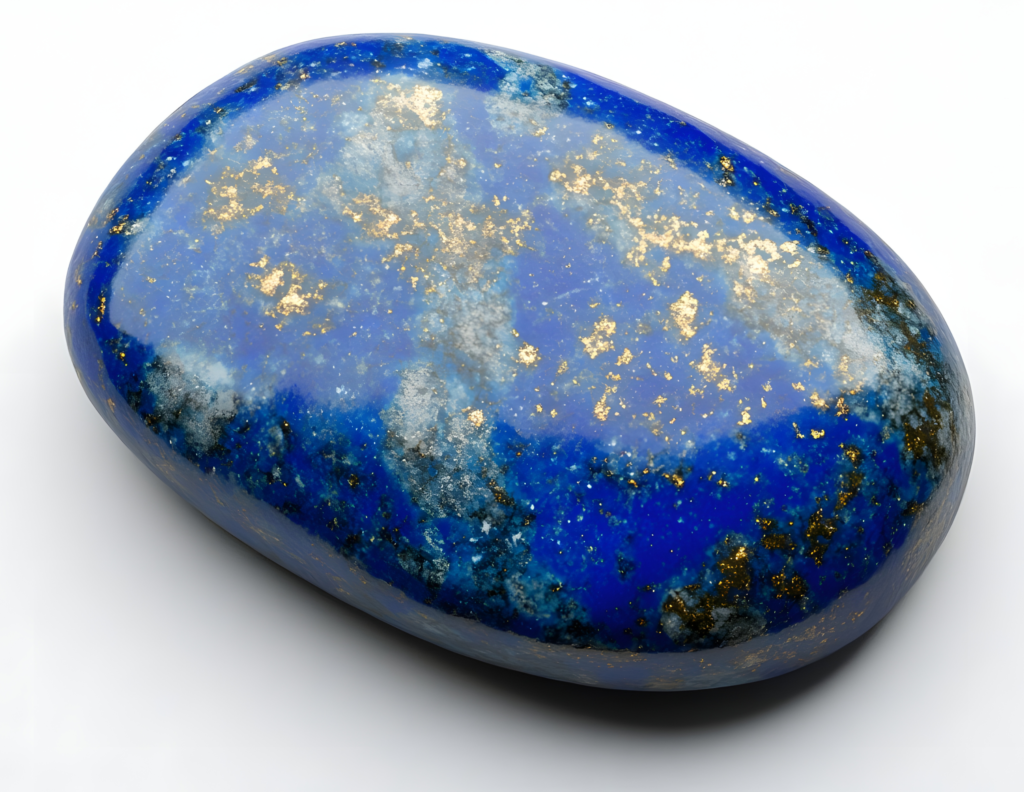
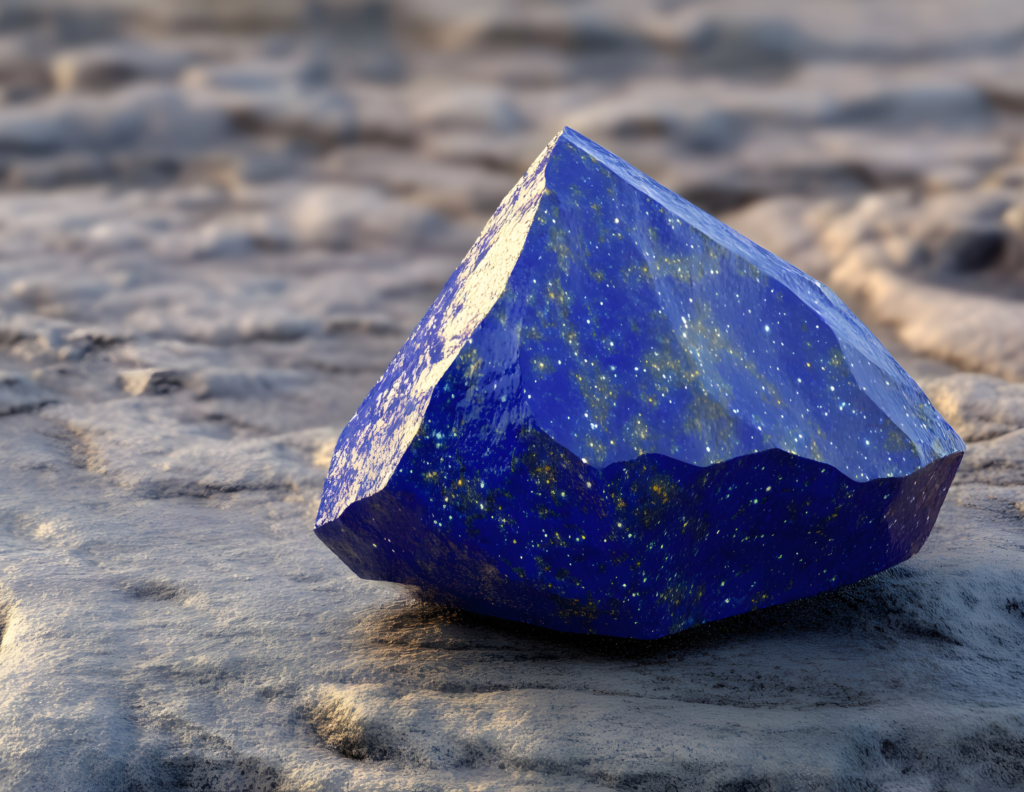
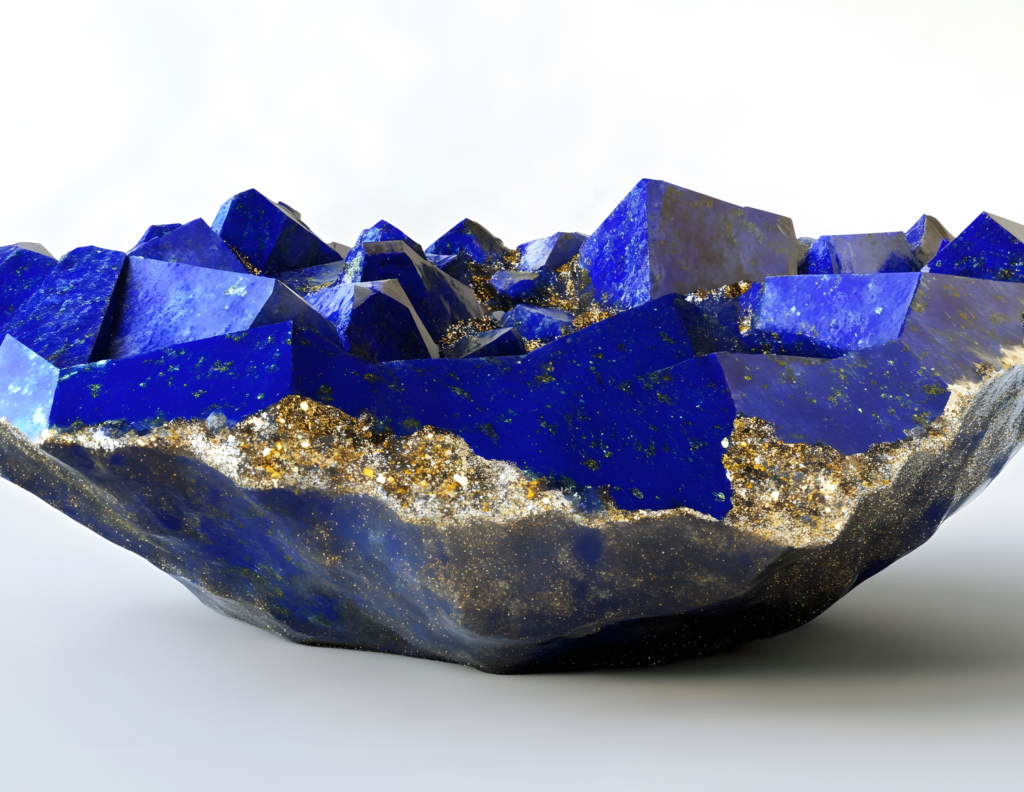
Lapis lazuli is immediately recognizable by its deep blue color, often shot through with golden pyrite flecks that look like stars scattered across a midnight sky. The stone itself is actually a rock rather than a single mineral, composed mainly of lazurite with calcite, pyrite, and other minerals creating its distinctive appearance.
Enhance Your Spiritual Practice
Discover our collection of digital planners and mystical tools designed to deepen your journey with tarot, crystals, and astrology.
Visit Our ShopThe name comes from the Latin “lapis” meaning stone, and the Persian “lazhward” meaning blue. When you hold a piece of quality lapis, you’re holding a fragment of sky captured in stone, which is exactly how ancient cultures viewed it.
The best lapis comes from Afghanistan’s Badakhshan region, where it’s been mined for over 6,000 years. Other sources include Chile, Russia, and parts of the United States, but Afghan lapis remains the gold standard with its deep, even color and minimal calcite streaking.
| Aspect | Lapis Lazuli Association |
|---|---|
| Element | Air or Spirit |
| Chakras | Third Eye & Throat |
| Primary Keywords | Wisdom, Truth, Clarity, Intuition |
| Energy Type | Inner Vision, Psychic Sight |
| Expression | Honest Communication |
| Protection | Psychic Shield |
| Spiritual Use | Meditation, Divination, Dreamwork |
| Zodiac Signs | Sagittarius, Libra, Taurus, Virgo |
| Planetary | Jupiter, Neptune |
| Historical Vibe | Royal, Celestial, Priestly |
Ancient Wisdom: Lapis Through History
Walk through any major museum’s Egyptian collection and you’ll spot lapis lazuli immediately. This wasn’t some decorative afterthought for the ancients. It was the stone of gods, royalty, and cosmic connection.
The Royal Stone
Lapis appeared in King Tutankhamun’s famous funeral mask, inlaid around the eyes to ensure he could see clearly in the afterlife. The ancient Egyptians ground it into powder for eye cosmetics, believing it connected them to divine wisdom and protected their vision both physical and spiritual.
In Mesopotamia, lapis decorated everything from the Standard of Ur to cylinder seals used by rulers. The Sumerians, Akkadians, and Babylonians all valued it as a stone of heaven, using it in temples and associating it with their sky deities.
The stone traveled the ancient world via trade routes, appearing in Chinese, Greek, and Roman artifacts. Everyone who encountered it recognized something special in that deep blue. It wasn’t just beautiful. It held power.
Sacred and Mystical Uses
Ancient priests and priestesses wore lapis during rituals and ceremonies. They believed it opened channels to higher wisdom and allowed clearer communication with divine forces. Temple walls in ancient Egypt were painted with ground lapis to create sacred blue pigments that wouldn’t fade.
Medieval artists used powdered lapis to create ultramarine, the most expensive pigment available. It was reserved for painting the Virgin Mary’s robes, further cementing lapis’s connection to divine wisdom and spiritual purity. The color was worth more than gold, which tells you something about how humans have always valued this stone’s energy.
The Metaphysical Truth: What Lapis Actually Does
Modern crystal workers and mystics call lapis lazuli the “Stone of Truth,” and that label fits perfectly. This isn’t about forcing honesty from others. It’s about clearing away your own self-deception, seeing situations as they actually are, and finding the courage to speak your authentic truth.
Third Eye and Throat Chakra Connection
Lapis works primarily with two energy centers: the third eye chakra between your brows and the throat chakra at your neck. This combination is precisely what makes it such a powerful tool for truth and wisdom.
The third eye connection enhances intuition, insight, and inner vision. When you work with lapis during meditation, you might notice thoughts becoming clearer, patterns revealing themselves, or sudden understanding about situations that confused you before. It’s like someone adjusted the focus on your inner sight.
The throat chakra link supports authentic self-expression. Lapis helps you say what needs saying, not in a confrontational way, but with clarity and confidence. It’s particularly useful before difficult conversations or when you need to set boundaries without apologizing for your needs.
Wisdom and Self-Knowledge
Lapis doesn’t hand you easy answers. It shows you where to look for them. The stone encourages deep self-awareness, helping you recognize your patterns, acknowledge your shadows, and integrate uncomfortable truths with compassion rather than judgment.
Many people working with lapis report sudden insights about why they react certain ways, where beliefs came from, or what they actually want versus what they think they should want. It’s not always comfortable, but it’s genuine.
The stone also enhances what practitioners call “psychic sight,” though that’s just a dramatic way of saying it helps you trust your intuition. You know that feeling when something seems off but you can’t explain why? Lapis helps you pay attention to those signals instead of dismissing them.
How to Actually Use Lapis Lazuli
Theory is lovely, but let’s talk practical application. Here’s how to work with lapis in ways that actually make a difference rather than just looking mystical on Instagram.
Meditation and Inner Work
Hold a piece of lapis or place it on your forehead during meditation. Start with ten minutes and notice what shifts. You might experience enhanced visualization, clearer thought patterns, or spontaneous insights about questions you’ve been carrying.
For shadow work or truth-seeking practices, keep lapis nearby while journaling. Write without editing, let whatever wants to surface come through, and don’t censor yourself. Lapis supports the kind of brutal honesty with yourself that creates real change. Just like working with other crystals for studying, consistency matters more than single marathon sessions.
Some practitioners combine lapis with dreamwork, placing it under their pillow or on their nightstand. The stone is said to enhance dream recall and symbolic understanding. Keep a dream journal nearby because you’ll want to capture those insights before they evaporate with the morning light.
Communication and Expression
Wear lapis as jewelry around your neck or throat before important conversations, presentations, or any situation requiring clear communication. A simple pendant works perfectly. The stone helps you stay grounded in your truth while remaining open to genuine dialogue rather than defensive reactions.
If you work with tarot cards, place a piece of lapis on your reading space. It enhances intuitive interpretation and helps you see beyond surface meanings to deeper truths in the cards. Many readers specifically reach for lapis when doing readings about communication issues or when they need to deliver difficult messages with compassion.
Writers, teachers, and anyone who uses their voice professionally might keep lapis on their desk. It’s less about magical inspiration and more about maintaining connection to authentic expression even under pressure or when feeling blocked.
Protection and Boundaries
Lapis creates what’s sometimes described as a “psychic shield,” though really it’s more about maintaining energetic boundaries. The stone helps you stay open and receptive without taking on everything around you. This makes it particularly useful for empaths or highly sensitive people who struggle with energetic overwhelm.
Before entering situations with difficult people or intense emotional dynamics, hold your lapis for a moment. Set a clear intention about maintaining your center while staying compassionate. The stone supports that balance between openness and protection that’s so difficult to maintain.
Some practitioners use lapis alongside black tourmaline for grounding while maintaining connection to intuitive awareness. Black tourmaline handles the heavy energetic protection work while lapis keeps your channels clear and your vision sharp.
Practical Combinations and Crystal Pairings
Lapis works well solo, but combining it strategically with other stones creates powerful synergies for specific purposes.
For Enhanced Intuition
Pair lapis with amethyst for deep spiritual work and connection to higher consciousness. Both stones support the third eye, but amethyst adds a protective spiritual quality that complements lapis’s truth-seeking energy. Place them together during meditation or keep them near your workspace when doing intuitive work.
For Truth and Clarity
Combine lapis with clear quartz to amplify its clarity-bringing properties. Clear quartz acts as an amplifier for other crystals’ energies while adding its own quality of mental clarity and focus. This combination is excellent for important decision-making or when you need to see a situation clearly without emotional fog.
For Abundance and Expression
Lapis and citrine together support speaking your truth about desires, boundaries around resources, and authentic expression of what you value. This pairing helps if you struggle to advocate for yourself financially or have trouble discussing money without guilt.
For Love and Communication
Place lapis alongside rose quartz when working on relationship communication. Rose quartz softens lapis’s sometimes stark truth-telling with compassion and heart-centered awareness. This combination supports honest conversations within loving contexts rather than harsh judgment.
Astrological Connections and Timing
While lapis works for anyone, certain astrological signs and timing considerations enhance its effectiveness.
Zodiac Affinities
Lapis traditionally connects most strongly with Sagittarius, the truth-seeking adventurer of the zodiac. Both the stone and the sign value honesty, wisdom, and expansion of understanding. If you’re a Sagittarius or have strong Sagittarius placements, you’ll likely find lapis feels immediately resonant.
Libra also works beautifully with lapis despite seeming like an unlikely match. Libra seeks balance, harmony, and truth in relationships. Lapis helps Libra natives express difficult truths diplomatically while maintaining their natural desire for peace. During Sagittarius season, working with lapis amplifies these truth-seeking energies for everyone.
Some sources also connect lapis with Virgo and Taurus for its grounding wisdom and practical application of intuitive insights. Capricorn season can be another powerful time to work with lapis for bringing inner wisdom into concrete, structured form.
Planetary Influences
Lapis resonates with Jupiter in astrology, the planet of expansion, wisdom, and higher learning. Working with lapis during Jupiter transits or when Jupiter is prominent in your chart supports the stone’s truth-seeking properties.
Some modern practitioners also associate it with Neptune for its connection to intuition, dreams, and dissolving illusions. The combination of Jupiter’s expansive wisdom and Neptune’s intuitive knowing creates lapis’s distinctive energy signature.
Seasonal Considerations
Winter, particularly around the winter solstice, provides excellent energy for deep lapis work. The darkness of winter supports introspection, shadow work, and inner truth-seeking that lapis facilitates. It’s a natural time for the kind of honest self-examination this stone encourages.
Caring for Your Lapis Lazuli
Lapis requires some special care because of its composition. The calcite and other minerals that create its distinctive appearance also make it more vulnerable than harder stones like quartz.
Physical Care
Never soak lapis in water for extended periods. Brief exposure to running water is fine for cleansing, but prolonged water contact can damage the stone’s surface and dull its polish. The calcite inclusions are particularly vulnerable to water damage.
Keep lapis away from harsh chemicals, perfumes, and cleaning products. Store it separately from harder stones that might scratch it. A soft cloth pouch works perfectly for protection.
If your lapis jewelry gets dirty, wipe it gently with a slightly damp cloth rather than submerging it. Dry it immediately and thoroughly.
Energetic Cleansing
Since you can’t use water freely, other cleansing methods work better for lapis:
Smoke cleansing: Pass your lapis through smoke from sacred herbs like sage, rosemary, or cedar. This clears accumulated energy without physical risk to the stone.
Sound cleansing: Use a singing bowl, bells, or even your voice to cleanse lapis with sound vibrations. The frequency disrupts stagnant energy without touching the stone.
Moonlight charging: Place lapis in moonlight, particularly during the full moon. Unlike some stones, lapis handles moonlight beautifully and absorbs that intuitive, reflective energy.
Crystal clusters: Rest your lapis on selenite or clear quartz clusters for energetic cleansing. These stones naturally clear and recharge other crystals through proximity.
Charging with Intention
After cleansing, hold your lapis and state your intention clearly. What do you want this stone to support? Be specific. “Help me speak my truth with clarity and compassion” works better than vague requests for “wisdom.”
Visualize the stone absorbing your intention, almost like it’s remembering its purpose. This programming step isn’t strictly necessary, but it helps you work more consciously with the crystal’s energy.
Shadow Work and Difficult Truths
This is where lapis really earns its reputation. The stone doesn’t just reveal happy truths about your innate wisdom and spiritual gifts. It shows you the uncomfortable stuff too—the patterns you repeat, the beliefs that limit you, the ways you deceive yourself.
Lapis supports the process of confronting these shadows with curiosity rather than judgment. It helps you ask “Why do I do that?” instead of beating yourself up for doing it. This compassionate self-honesty creates space for actual change rather than temporary guilt-driven resolutions.
When working with lapis for shadow integration, keep a journal nearby. Write without censoring. Let the ugly thoughts, the petty resentments, the shameful desires surface. Lapis helps you look at these parts of yourself without flinching away.
The stone is particularly effective for recognizing self-deception. Those stories you tell yourself about why you can’t do something, why someone else is the problem, why this time will be different? Lapis cuts through those narratives with uncomfortable clarity.
This isn’t easy work. You might put your lapis away for a while if it gets too intense. That’s fine. Truth-seeking isn’t a race, and lapis will wait patiently until you’re ready to pick it back up.
Divination and Intuitive Practice
Lapis has a long history in divination work, and many modern practitioners keep it central to their practice.
Tarot and Oracle Work
Place lapis near your cards when shuffling or reading. Many readers report clearer intuitive hits, more confident interpretation, and better ability to communicate difficult messages with compassion when lapis is present.
The stone is particularly helpful when reading for yourself. Self-readings often trip us up because we want certain outcomes or can’t see our blind spots. Lapis helps you step back and read the cards as they actually are rather than as you hope they might be.
If you’re learning tarot spreads or working to connect with your cards, keep lapis nearby during study and practice. It supports the development of intuitive interpretation beyond memorized meanings.
Scrying and Vision Work
Lapis’s deep blue surface occasionally shows flashes of gold from its pyrite inclusions, making it useful for scrying. Hold the stone in low light and let your gaze soften. Some practitioners report receiving symbolic images or insights this way.
The practice works better if you approach it without expectations. You’re not trying to force visions or prove anything. Just observe what appears in the stone’s depths with curiosity.
Pendulum Work
Lapis makes an excellent pendulum stone for dowsing or yes/no questions. Its strong connection to truth and clear communication makes it reliable for this type of divination. As with any pendulum work, establish your yes/no signals first and ask questions you can verify to build trust in your practice.
Recognizing Authentic Lapis
With lapis’s popularity, you’ll encounter plenty of fakes, imitations, and heavily treated stones in the marketplace. Here’s how to spot the real deal.
Natural vs. Treated vs. Fake
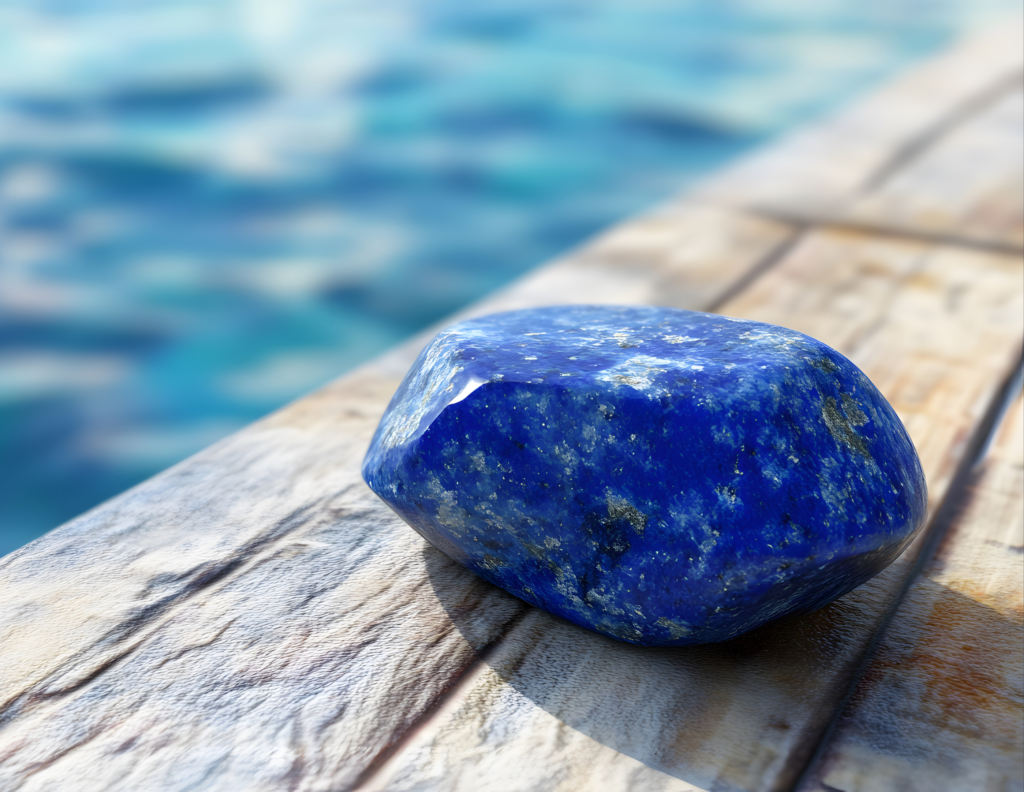
Real lapis lazuli feels substantial, cold to the touch like most stones, and has visible variation in its coloring. The blue shouldn’t be completely uniform—natural lapis shows lighter and darker areas, possible white calcite veining, and golden pyrite flecks distributed somewhat randomly.
Some lapis gets dyed to deepen its color. This isn’t necessarily fake, but it’s important to know what you’re getting. Heavily dyed lapis often has an almost purple tint and very uniform coloring that looks slightly artificial. A damp cloth rubbed on dyed lapis might pick up color.
Complete fakes include glass, resin, or other stones dyed blue. These often feel warmer than real stone, might show air bubbles (glass), or have an unnaturally perfect color. The price is usually suspiciously low.
Quality Factors
The finest lapis shows deep, even blue color with minimal calcite streaking and attractive pyrite distribution. The gold flecks should look integrated into the stone, not sprinkled on top.
Lower grade lapis might be lighter blue, contain more visible calcite, or have an uneven appearance. It still works perfectly well for metaphysical purposes—the crystal’s energy isn’t determined by its grade—but it costs less and looks less impressive in jewelry.
Afghan lapis typically has the richest, most even color. Chilean lapis often shows more green tints from copper content. Russian lapis tends toward violet-blue. All are genuine lapis, just from different sources with slightly different mineral compositions.
Building a Relationship with Lapis
Like any tool for personal growth, lapis works best when you engage with it consistently rather than pulling it out only during crises.
Start by simply carrying a piece with you for a few weeks. Notice what shifts. Do you find yourself speaking up more? Having clearer thoughts? Catching yourself in habitual patterns? Pay attention to subtle changes before expecting dramatic revelations.
Keep lapis on your workspace, meditation space, or anywhere you spend significant time in contemplation or communication. Let it become part of your daily environment rather than treating it like special occasion jewelry.
If you’re using lapis for specific purposes like tarot readings or important conversations, create a small ritual around it. Hold the stone, state your intention, breathe deeply, then proceed with your task. This simple practice helps signal to your mind that you’re entering a space of truth and clarity.
Some people name their significant crystals or develop individual relationships with specific stones. If that appeals to you, spend time getting to know your lapis’s particular energy. Each stone is unique even within the same type.
Final Thoughts
Lapis lazuli isn’t for everyone. Some people find its truth-telling energy too intense or uncomfortable. Others discover it’s exactly what they needed to break through self-deception and step into more authentic expression.
The stone doesn’t promise easy answers or comfortable revelations. It offers the chance to see clearly, speak honestly, and trust your inner wisdom even when external voices get loud. That’s powerful medicine if you’re ready to use it.
Whether you’re drawn to lapis for its stunning celestial beauty, its connection to ancient wisdom traditions, or its modern reputation for enhancing intuition and communication, approach it with respect and curiosity. This isn’t a stone that works in the background. It wants your attention and your willingness to look unflinchingly at truth.
Start slowly if you’re new to working with lapis. Carry a small piece, notice what shifts, and build your practice gradually. The stone has spent millennia supporting humans in their quest for wisdom and truth. It’s patient enough to meet you exactly where you are.
Your Experience with Lapis
Have you worked with lapis lazuli in your spiritual practice? What truths has it helped you uncover, and how has it affected your ability to speak authentically? Share your experiences with this powerful blue stone in the comments below.